Why Some Clothes Make You Look Bigger (It’s Not Your Size)
Disclosure: Some of the links in this post are affiliate links. This means if you click on the link and purchase an item, I will receive an affiliate commission at no extra cost to you.
You know the exact moment you see a really great outfit in the store, pick it up in your normal size, and walk into the dressing room feeling good.
You’re right. The repeated “you” makes it sound mechanical. I’d make it flow more naturally like this:
You put it on, turn toward the mirror, and BAM. Somehow, the outfit makes you look ten pounds heavier and noticeably wider than you did that morning.
The panic hits fast. You check the tag, sure you must have picked up a smaller size by mistake. Then you blame the bright dressing-room lights.
Maybe it was that big dinner last night. Maybe your body has changed. Before long, you’re standing there questioning everything about how you look.
Stop right there. Take a breath and step away from the mirror.
It is not your body. It is not your weight. And it is definitely not your size. Sometimes, the clothes are simply playing tricks on the eye.
Here’s what most people don’t realize: clothes are made up of shapes, lines, fabric, and details that can change how your body appears.
A thick fabric can add volume where you don’t need it. A large print can make an area look more noticeable. Even the shape of a neckline can change the way your upper body looks.
A stiff shirt may make your curves look straighter and wider. A badly placed stripe can pull the eye across your body. A low waistline can also make your torso appear shorter and heavier.
None of that means there is anything wrong with your body.
Your clothes should work with you, not make you feel like you need to work against yourself.
So, if you’ve ever loved something on the hanger but hated it once you tried it on, you’re not alone. There’s usually a reason.
In this article, we’re uncovering the small clothing choices that can add visual weight and showing you how to avoid them.
1. The Fit Can Be Right and Still Look Wrong
This is probably the first thing to understand.
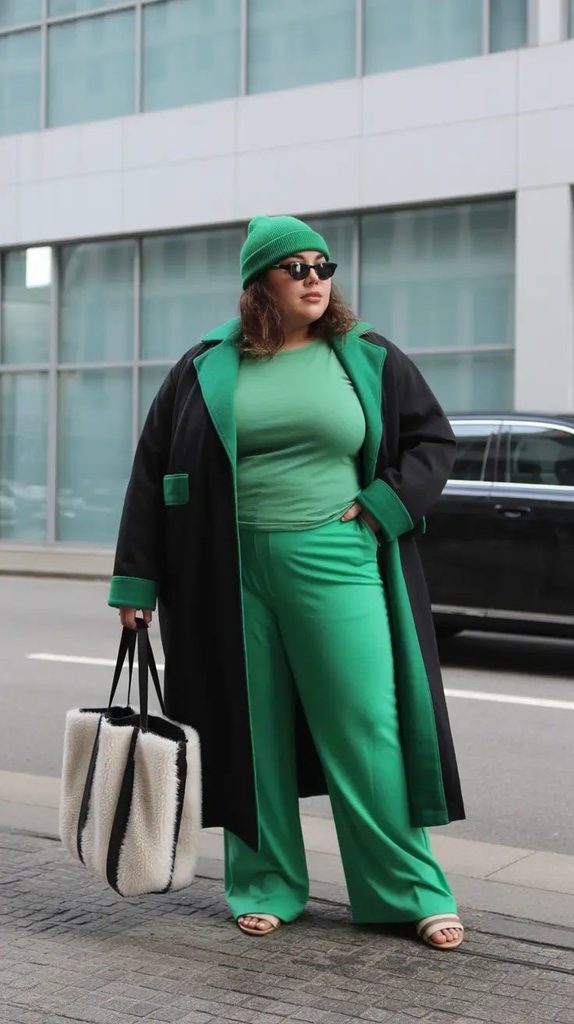
A clothing size only tells you how much room the garment was made to give you. It doesn’t tell you how that room will look once the garment is on your body.
You can wear your usual size and still end up with too much fabric around your waist, hips, arms, or bust. That extra material may not feel uncomfortable at all. In fact, the outfit can feel wonderfully loose while making your silhouette look much larger.
Think about a loose blouse with plenty of fabric through the middle. It may feel comfortable, but if the fabric falls straight down from your bust instead of following your shape even slightly, your entire torso can start to look wider.
The same thing happens with trousers.
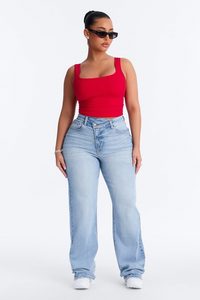
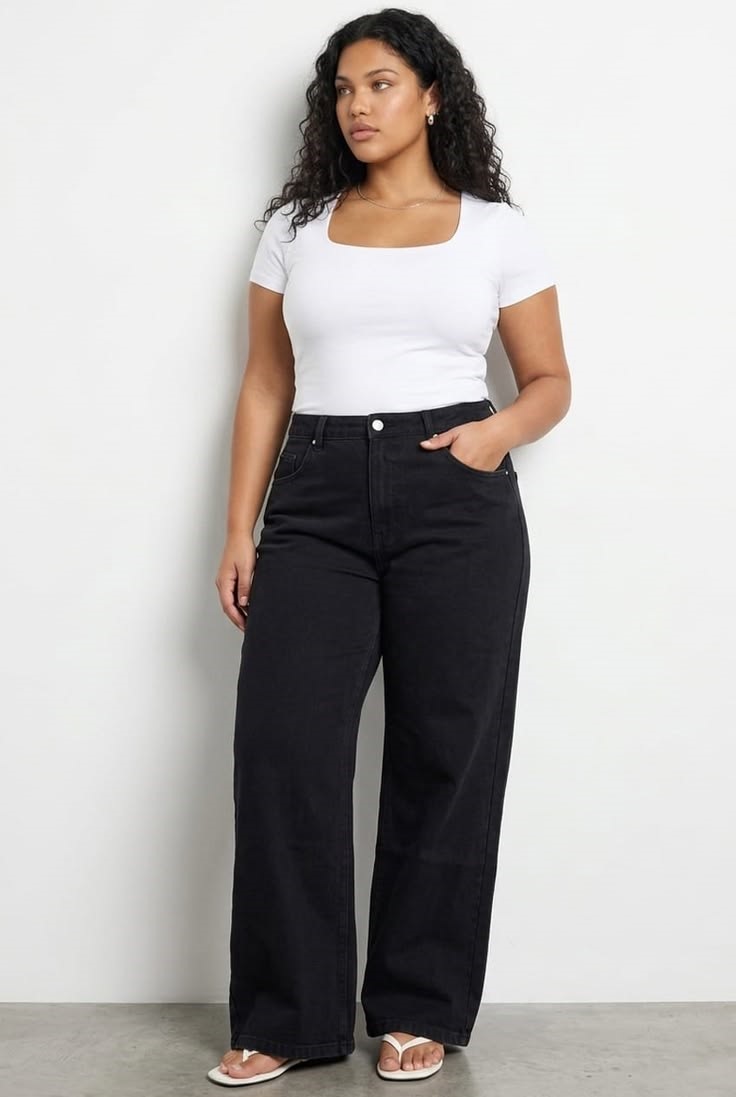
A pair of wide-leg pants can look elegant when the fabric falls cleanly from the hips. But if the material is thick, stiff, and gathers around the legs, the extra volume can make the lower half look much heavier.
That’s why “it fits” shouldn’t be the only test you use.
When trying something on, ask yourself a different question:
Where is this garment adding volume?
If the answer is “everywhere,” that may be why the outfit feels bigger than expected.
For more ideas on creating a cleaner, more intentional shape, take a look at 25 Outfit Tricks That Create a More Balanced Silhouette.
2. Stiff Fabric Can Add Size Where You Don’t Have It
Fabric has a personality of its own.
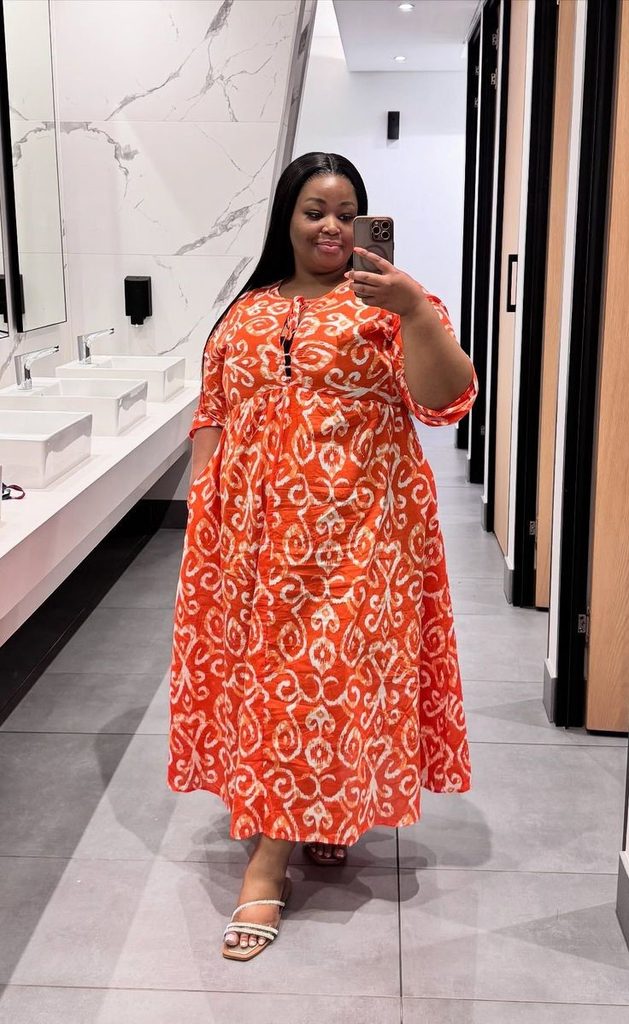
Some materials fall softly against the body. Others stand away from it, hold their shape, and create space between your body and the garment.
That difference matters.
A soft knit might follow your curves naturally, while a thick, stiff fabric can create a boxier outline. Suddenly, instead of seeing the shape underneath, the eye sees the outer edge of the clothing.
This is especially noticeable with jackets, structured tops, and dresses.
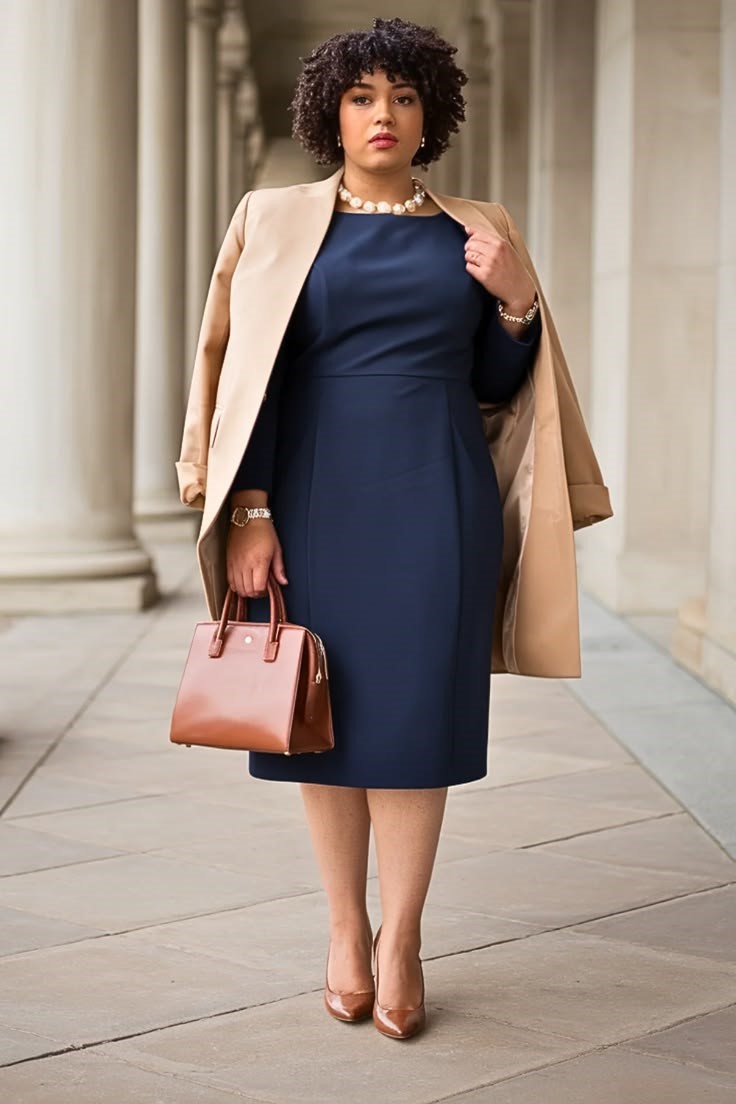
Imagine wearing a blazer made from a heavy fabric with strong shoulders and a straight cut through the waist. It may be your correct size, but the structure can make your upper body appear broader than it actually is.
That doesn’t mean structured clothing should be avoided. The trick is choosing structure that has some relationship with your shape.
A little definition at the waist, softer fabric through the body, or a cleaner shoulder can make a huge difference.
This is also why oversized pieces need a little thought. If you love that relaxed look, How to Wear Oversized Blazers Without Losing Shape can help you get the ease without letting the fabric take over your frame.
3. Where the Hem Ends Can Change Everything
Here’s one people often overlook: length.
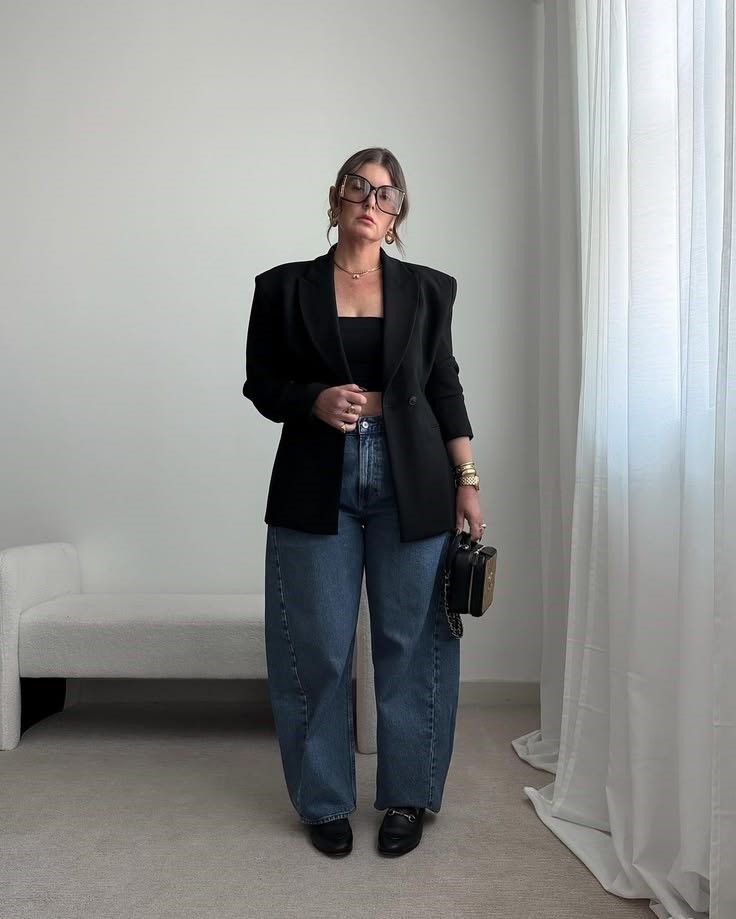
A top doesn’t just end wherever the designer decides. That ending point becomes a visual line across your body.
If that line lands at the widest part of your hips, for example, it can make that area stand out more. A jacket that stops right across your stomach can have a similar effect.
Move that same hem a few inches higher or lower, and suddenly the outfit can look completely different.
This is why two tops with almost identical cuts can give you very different results.
One may create a clean, flattering line.
The other may seem to cut your body in half.
The important thing is not to memorize one “perfect” length. Your height, proportions, and the rest of the outfit all matter.
Instead, pay attention to where the garment stops and what it creates around that point.
If you’ve ever struggled to understand why certain outfits feel visually heavy or unbalanced, The Styling Mistake That’s Making Your Outfits Look Boxy is worth exploring next.
4. Too Much Volume in One Place Can Change Your Whole Shape
Not every oversized detail is a problem.
The trouble starts when several roomy elements pile up in the same outfit.
Picture a loose top with balloon sleeves, wide-leg trousers, and a long cardigan layered over everything. None of those pieces is necessarily bad on its own. Together, though, they can create a lot of fabric with very little visual definition.
Your body hasn’t become wider.
There’s simply more clothing around it.
This is where balance becomes important. If one part of an outfit is deliberately relaxed, giving another area a little structure can keep everything from feeling overwhelming.
For example, a flowing pair of trousers can work beautifully with a more defined top. Likewise, a roomy sweater can look more intentional with a slimmer or cleaner bottom half.
You don’t have to make everything fitted. You just want the volume to have somewhere to go.
If you enjoy relaxed, minimal outfits, 41 Minimalist Fashion for Plus Size Women has more ideas for keeping that look simple without making it shapeless.
5. Horizontal Details Can Make You Look Wider
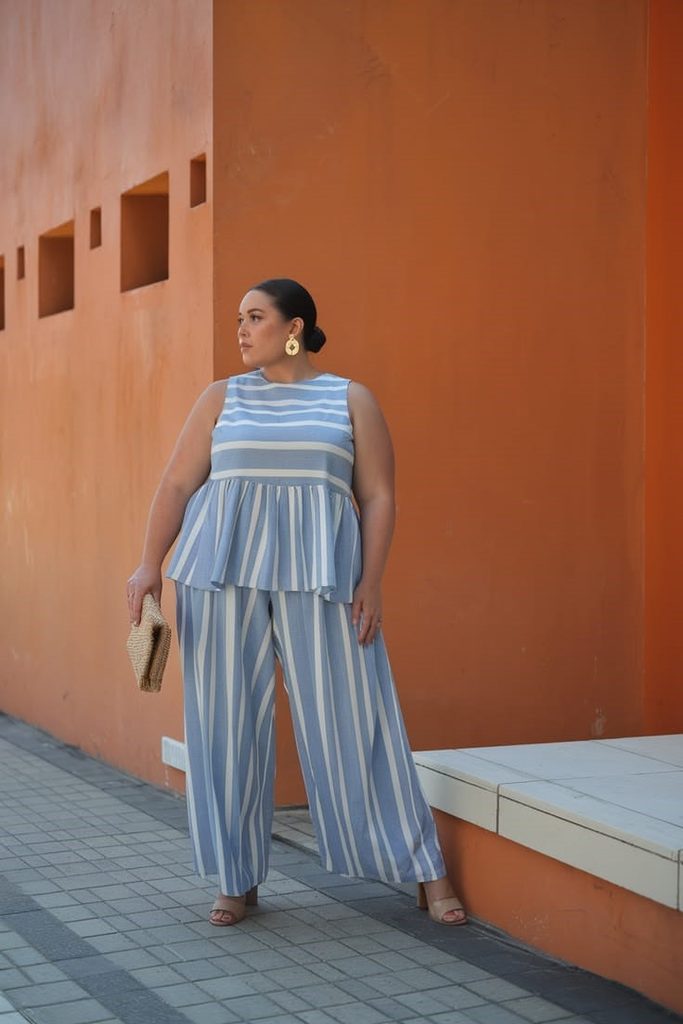
Not all stripes are the enemy, and this is where fashion advice often gets too simple.
The real issue is where a horizontal line appears and what it is cutting across.
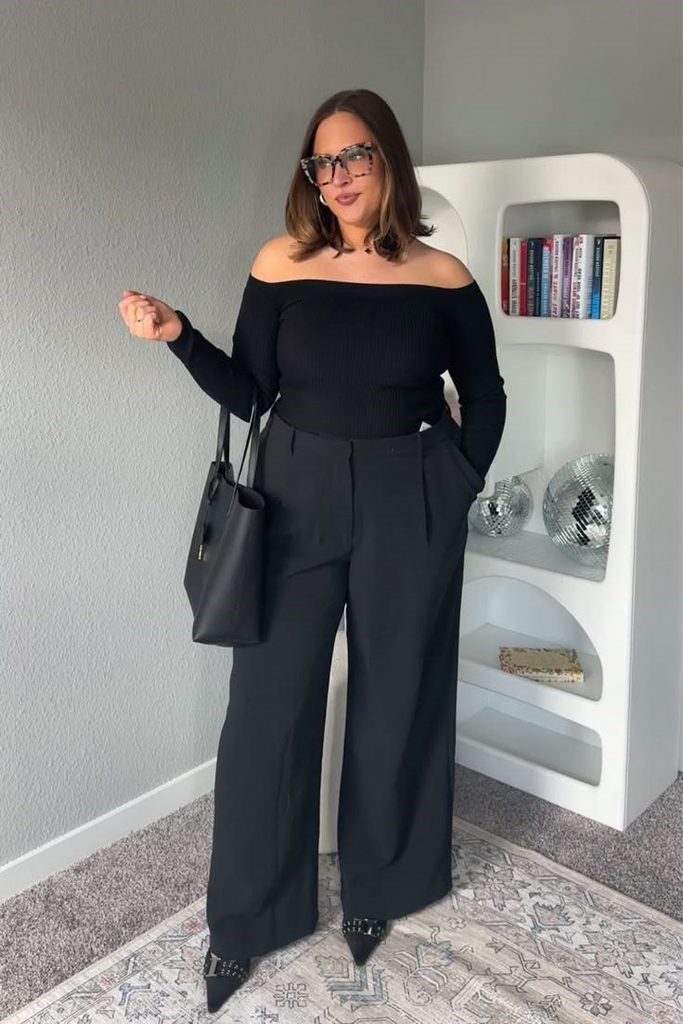
A stripe across your chest can draw attention to that area. A wide waistband can create a strong line around your middle. Even a row of buttons or a color change can act like a visual divider.
The eye naturally notices these breaks.
That doesn’t mean you have to avoid horizontal details altogether. It simply means you should pay attention to what they are emphasizing.
A horizontal detail placed thoughtfully can actually make an outfit look polished. But when several strong lines appear around the same area, they can make that section feel wider or more crowded.
This is especially worth remembering when wearing prints. If you love patterns but sometimes feel unsure about how they sit on your body, How to Wear Bold Prints With Confidence can give you a better way to approach them.
6. Darker Colors Aren’t Magic, and Bright Colors Aren’t the Problem
We’ve all heard some version of “wear black if you want to look slimmer.”
But color is doing more than simply making something look smaller or larger.
What matters is how color interacts with the shape, fabric, and placement of the garment.
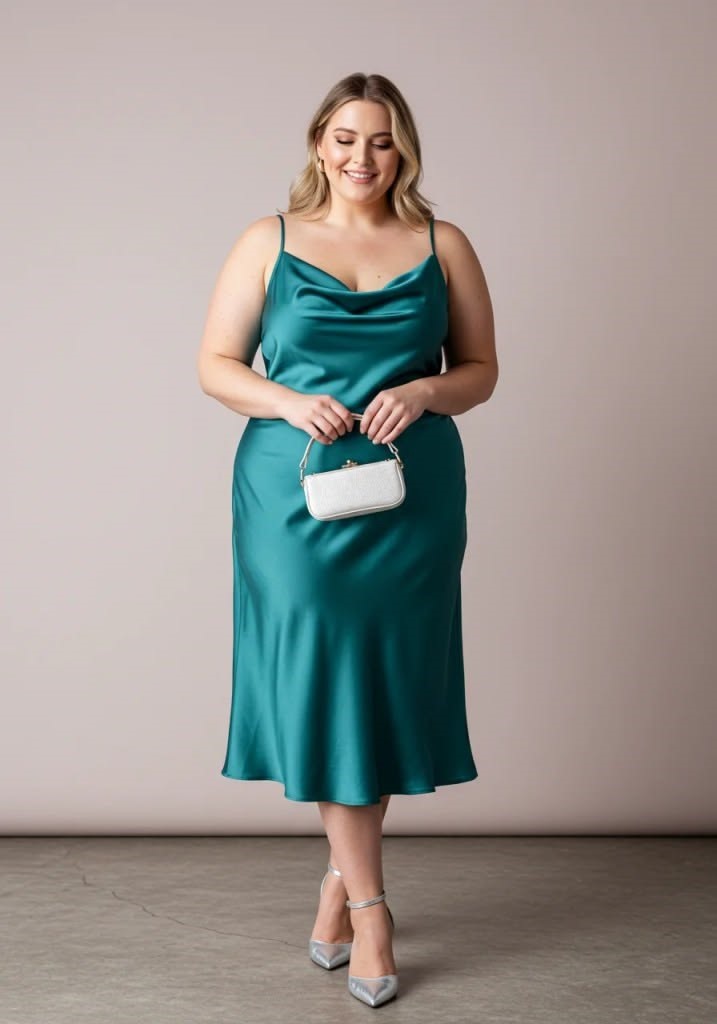
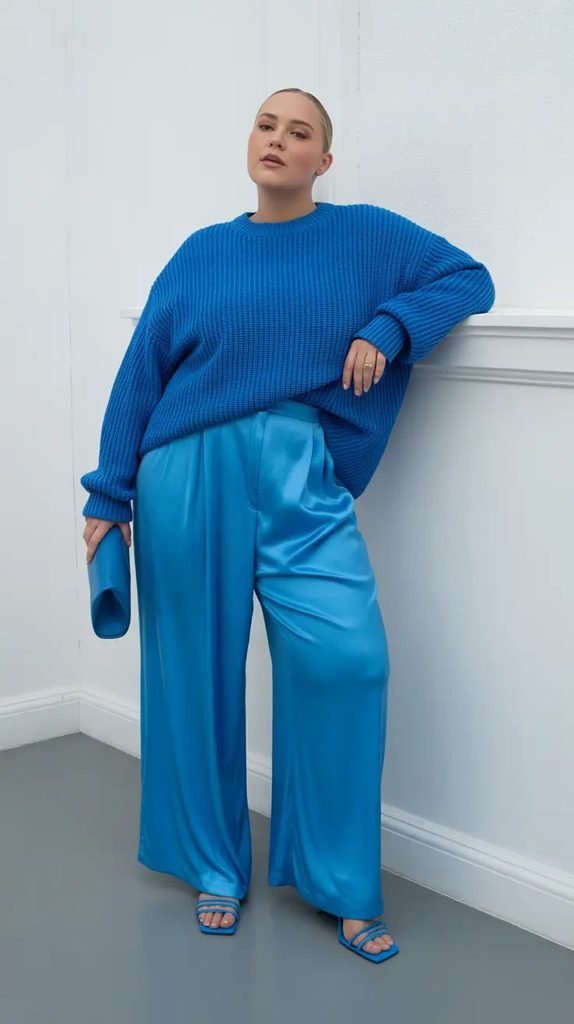
A bright color on a clean, well-fitting dress can look beautifully streamlined. Meanwhile, a black outfit with bulky layers, stiff fabric, and lots of extra material can still look heavy.
Sometimes, the problem isn’t the color itself. It’s where the color changes.
A lighter top paired with very dark trousers creates a clear division between the upper and lower body. Add a strong belt at the waist, and you now have another line drawing attention to that point.
None of this means you need to dress from head to toe in dark colors.
Instead, think about what each color is doing inside the outfit. Is it creating one smooth visual flow, or is it breaking your body into several noticeable sections?
If you want to understand how color can work beyond the usual “black is slimming” advice, The Best Colors for Plus Size Fashion is a useful place to start.
7. The Wrong Rise Can Make Your Middle Look Heavier
This one can be surprisingly sneaky.
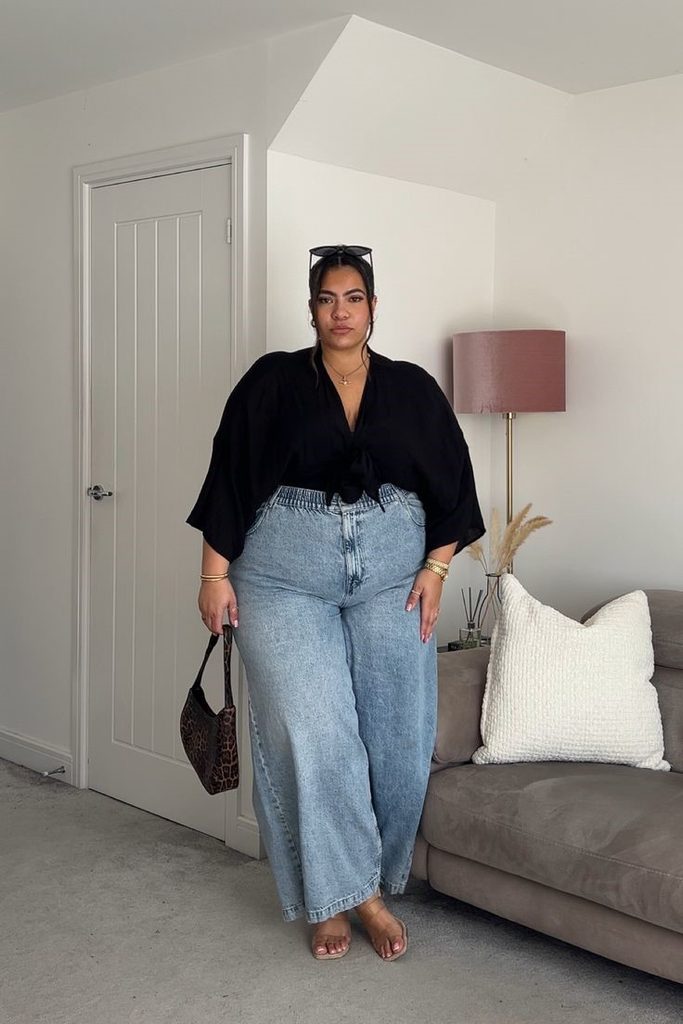
You put on a pair of trousers, fasten the button, and everything feels fine. No digging, no uncomfortable pulling. Yet when you look in the mirror, your middle suddenly seems more noticeable.
Sometimes, the problem is where the waistband is sitting.
A rise that cuts across a fuller part of your stomach can create a strong line there. Instead of letting the fabric flow over your body, it can make the waistband the first thing you notice.
Then there’s the opposite problem. A very low rise may sit below your natural waist and leave the area above it looking fuller because the fabric is no longer supporting the shape of your outfit.
The goal isn’t simply to choose “high-rise” or “low-rise” because someone said one is better.
Look at where the waistband sits on you.
Does it rest comfortably at a natural point? Does it create a smooth transition between your top and bottom? Or does it seem to divide your body in a way that makes one area look heavier?
That small adjustment can change the entire outfit.
And if jeans are where you notice this most, don’t assume you just need a different size. How to Find Jeans That Actually Fit can help you look beyond the number on the label.
8. Pockets, Seams, and Details Can Quietly Add Visual Weight
Sometimes, it’s not the whole garment.
It’s one little detail.
A large patch pocket across the hips. Thick stitching around the thighs. A gathered waistband. A big bow sitting across the stomach. Even a bulky zipper can become a small focal point that changes how the surrounding area looks.
The funny thing is, you may not consciously notice the detail.
You just look in the mirror and think, “Something about this isn’t working.”
Your eyes are still picking it up, though.
Every detail adds information to an outfit. When too many of those details are concentrated in one area, that section can become visually busy and appear larger.
So the next time a garment feels strange, don’t immediately take it off.
Look closely.
Where are the pockets? Where do the seams run? Is there gathering? Is there extra fabric sitting around one particular area?
You might discover that you don’t dislike the entire garment at all.
There’s just one detail doing far too much.
9. The Outfit Can Be Too Loose From Top to Bottom
There is a difference between relaxed and shapeless.
A loose outfit can look incredibly stylish when there is some intention behind the proportions. But when every piece is loose, long, and flowing, your actual shape can disappear underneath all that fabric.
That’s when an outfit can start looking bigger than you are.
Imagine a long, oversized shirt with wide trousers and a loose cardigan. There are no obvious points where the eye can understand your proportions. Instead, it sees one large outline from shoulder to ankle.
You don’t necessarily need to make the outfit tighter.
Try creating one clear point of definition.
Roll the sleeves. Tuck part of the shirt. Show a little ankle. Open the jacket. Add a belt if it works with the outfit. Even exposing a small amount of your neckline can give the eye somewhere to pause.
The idea is simple: give the outfit a little breathing room.
That doesn’t mean showing more skin or wearing uncomfortable clothes. It means allowing your body to remain visible within the outfit instead of letting fabric completely take over.
And if you’re building outfits around comfort, The Ultimate Plus Size Capsule Wardrobe can help you choose versatile pieces that give you more control over proportion.
10. Before You Blame Your Body, Change One Thing
This might be the most useful trick in the entire article.
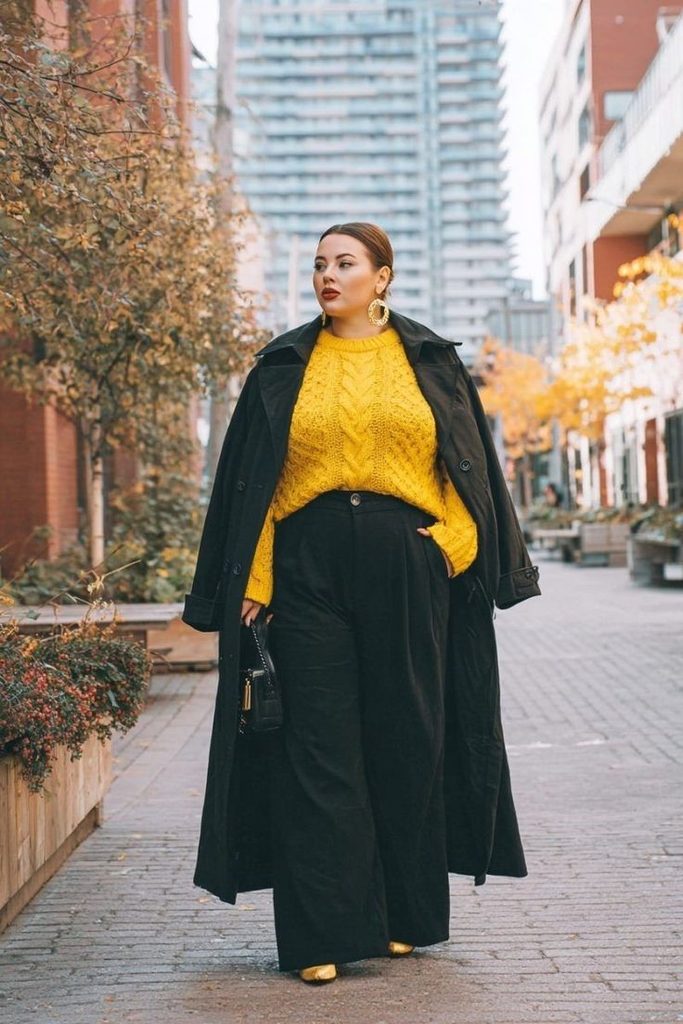
When an outfit looks wrong, don’t immediately take everything off and start over. Instead, make one small change and look at the outfit again. You could untuck the top, change your shoes, open the jacket, adjust the waistband, swap your bag, try a different bra, or remove one layer.
That tiny adjustment can tell you more than you might expect.
Sometimes, you don’t actually hate the outfit. One small element is simply throwing everything else off.
Maybe the trousers are fine, but the top is too long. Perhaps the dress is beautiful, but the belt is sitting too low. The blazer might even work perfectly once you leave it open.
This is a much better way to figure out what works for your body. Rather than deciding that an entire style “doesn’t suit you,” you can find the exact detail that needs changing.
That is the kind of information you can actually use the next time you shop.
The goal isn’t to end up with a long list of clothes you’re afraid to wear. You should leave this article feeling more aware of what your clothes are doing, not more restricted by fashion rules.
Once you stop asking, “Does this make me look bigger?” and start asking, “What is this garment doing to my shape?” shopping becomes a completely different experience.
The Mirror Is Not Always Showing You the Whole Story
There’s another part of this conversation that most fashion advice barely touches: how you see the outfit can be just as important as the outfit itself.
We often judge clothes from one quick glance in the mirror, especially in a fitting room where the lighting, mirror, and space can make everything look different.
Before deciding that an outfit is making you look bigger, it helps to look at the bigger picture and pay attention to what may actually be affecting what you see.
Fitting-Room Lighting Can Change Your First Impression
A garment may look completely different under harsh fitting-room lights than it does outside. The mirror angle, the distance you’re standing from it, and even how you’re holding your body can change what you notice.
That’s why it helps to step away from the mirror before deciding that something looks terrible. Give yourself some distance and look at the entire outfit instead of immediately focusing on one part of your body.
Your Eyes Can Get Stuck on One Area
This happens more easily than people realize.
You notice your stomach, so that’s all you see. Your eyes move to your hips, and suddenly the entire outfit feels wrong because that one area has become your main focus.
But someone else looking at you sees the whole outfit.
They notice the color, the shoes, the way the jacket falls, and the overall look. They aren’t standing inches away from the mirror searching for every little thing you might dislike.
Sometimes, the outfit needs less fixing than your first reaction suggests. If you want more ideas for creating a polished look without overthinking every detail, How to Look Polished Every Day is worth a look.
Clothes Are Supposed to Move
Here’s another thing fashion blogs often leave out: your outfit is not going to look exactly the same in every position.
Walk around in it. Sit down. Turn to the side. Reach for something. See how the fabric actually behaves when you move through your day.
An outfit that looks slightly different when you walk or sit isn’t automatically failing. Your body isn’t a mannequin, and your clothes were never meant to stay frozen in one perfect pose.
This is especially important with relaxed or oversized pieces. Movement can completely change how the fabric falls, which is why the goal should be balance rather than trying to make every part of your outfit look perfectly fitted.
The best outfit isn’t necessarily the one that looks flawless in one mirror pose. It’s the one that still feels comfortable, natural, and like you when you actually start living in it.
And if you’re looking for ways to make simple outfits feel more finished without adding unnecessary bulk, Accessories That Instantly Upgrade Any Outfit can help.
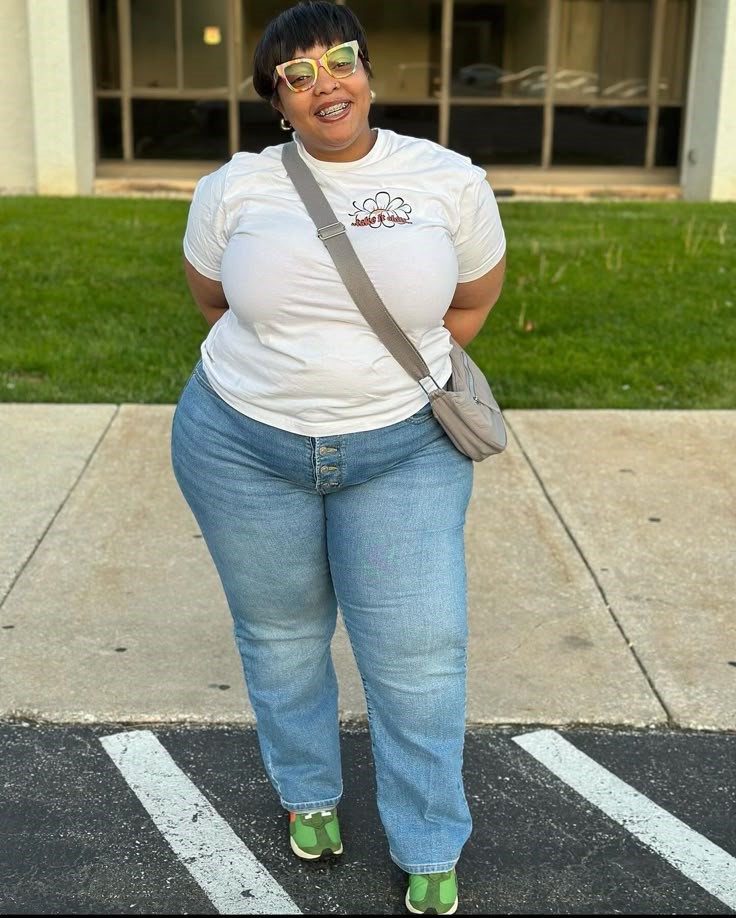
Your Body Doesn’t Need Fixing. Your Clothes Might
At the end of the day, I want you to remember one crucial truth: your body is not a problem to be solved.
For too long, we have stood in front of unforgiving mirrors, tearing ourselves apart simply because a piece of fabric didn’t fall perfectly across our natural curves.
We have let tags, sizes, and arbitrary numbers dictate our self-worth. Even worse, we have carried the heavy burden of believing that if something doesn’t look right, we are the ones who are flawed.
It is time to let that heavy guilt go.
Your body is a beautifully unique, living, breathing masterpiece. It carries you through every single day, and it deserves to be celebrated not hidden, apologized for, or squeezed into garments that were never designed for your specific magic.
The clothes in your closet should be your absolute biggest cheerleaders. They should serve you, comfort you, and make you feel completely unstoppable the moment you put them on.
If you’re still figuring out what actually makes you feel good in your clothes, How to Feel Beautiful in Every Outfit can help you shift the focus from hiding your body to enjoying the way you dress it.
So, the next time a dress adds visual weight, or a pair of pants pinches in the wrong place, do not turn the blame on yourself. Take it off, leave it on the rack, and walk away with your head held high.
You do not exist to fit into clothes. Clothes exist to fit you.
Now, go out there, embrace your gorgeous shape, and start demanding that your wardrobe works for you. You deserve to feel beautiful, powerful, and completely at home in exactly the skin you are in right now.