The Ultimate Plus Size Shopping Guide
Disclosure: Some of the links in this post are affiliate links. This means if you click on the link and purchase an item, I will receive an affiliate commission at no extra cost to you.
Maybe you’ve ordered a beautiful outfit online because it looked perfect on the model. You tracked the package every day and couldn’t wait for it to arrive.
The delivery finally showed up, and you rushed to open it. Then came the disappointment.
The dress looked nothing like the photos. The jeans stopped halfway up your hips. The top felt two sizes too big, while the fabric looked cheap and uncomfortable. Instead of feeling excited, you felt frustrated and wondered if you had wasted your money.
I’ve experienced this too, so I understand how discouraging it can be.
The truth is, plus size shopping is not always easy. Sizes change from one brand to another. Fabrics can look completely different in person.
A trendy outfit may not suit your body shape or lifestyle. When you don’t know what to check before buying, every purchase feels like a gamble.
But what if you had a guide that helped you shop with confidence instead of guessing?
That’s exactly why I created this guide.
This is not another article filled with random shopping tips. It’s a practical guide you can use before every shopping trip.
Even if you shop online or visit a store, you’ll learn simple steps that help you make better decisions.
We’ll cover how to take accurate body measurements, understand size charts, choose quality fabrics, avoid common shopping mistakes, and build a wardrobe that works for your everyday life.
If you’re ready to stop wasting money on clothes that don’t fit or flatter you, you’re in the right place. By the end of this guide, you’ll know exactly what to look for before adding any item to your cart or taking it to the checkout. Shop smarter, save money, and enjoy getting dressed every day.
Why Shopping Smarter Matters
Shopping for plus size clothing is not just about finding pieces in your size. It’s about choosing clothes that fit well, suit your lifestyle, and make you feel confident every time you wear them.
The more intentional you are when shopping, the less likely you are to waste money on clothes that end up forgotten in your wardrobe.
Many people shop based on emotions. Maybe there’s a big sale, a trendy outfit catches your eye, or you convince yourself that you’ll wear something “one day.”
While there’s nothing wrong with treating yourself occasionally, making every purchase without a plan often leads to a closet full of clothes and nothing that feels right to wear.
Shopping smarter means buying with purpose. Instead of asking, “Do I like this?”, ask yourself a few more helpful questions:
- Does this fit my body comfortably?
- Can I wear it in different ways?
- Does it match clothes I already own?
- Will I still enjoy wearing it a few months from now?
- Is it worth the price I’m paying?
These simple questions can help you avoid impulse purchases and focus on pieces that truly add value to your wardrobe.
Remember, building a stylish wardrobe doesn’t happen in one shopping trip. It happens one thoughtful purchase at a time.
As you work through this guide, you’ll learn practical strategies that make every shopping decision easier, Even you’re browsing online or walking through your favorite store.
Know Your Body Before You Shop
If there’s one thing that will completely change the way you shop, it’s this: know your body before you know your size.
Many women rely on the number printed on a clothing label when they shop. It seems like the easiest thing to do.
If you’ve always worn a size 18, it’s natural to reach for another size 18 without thinking twice. Unfortunately, fashion doesn’t work that way.
There isn’t a universal sizing system that every clothing brand follows. A size 18 from one retailer may fit perfectly, while another brand’s size 18 feels much tighter.
You might even find yourself wearing a size 20 in one store, an XXL in another, and a 1X somewhere else. None of these labels define your body, they simply reflect how each brand designs its clothing.
That’s why experienced shoppers don’t rely on clothing sizes. They rely on measurements.
Once you know your measurements and understand your body shape, shopping becomes much easier. You’ll spend less time guessing, return fewer online purchases, and feel more confident choosing clothes that fit properly.
Take Your Measurements
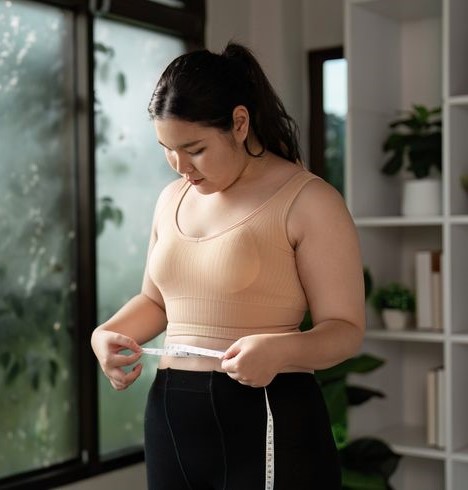
Before buying any clothing, take a few minutes to measure yourself. It’s one of the simplest things you can do, yet many people skip this step.
All you need is a soft measuring tape, a mirror, and clothing that isn’t bulky. For the most accurate results, measure yourself while wearing fitted clothing or your everyday underwear.
Stand naturally, relax your posture, and avoid pulling the measuring tape too tightly. The tape should sit comfortably against your body without squeezing your skin.
Write your measurements down and save them somewhere you’ll always have access to them.
Keeping them in your phone’s notes app is a great idea because you can quickly check them whenever you’re shopping online.
The four most important measurements are:
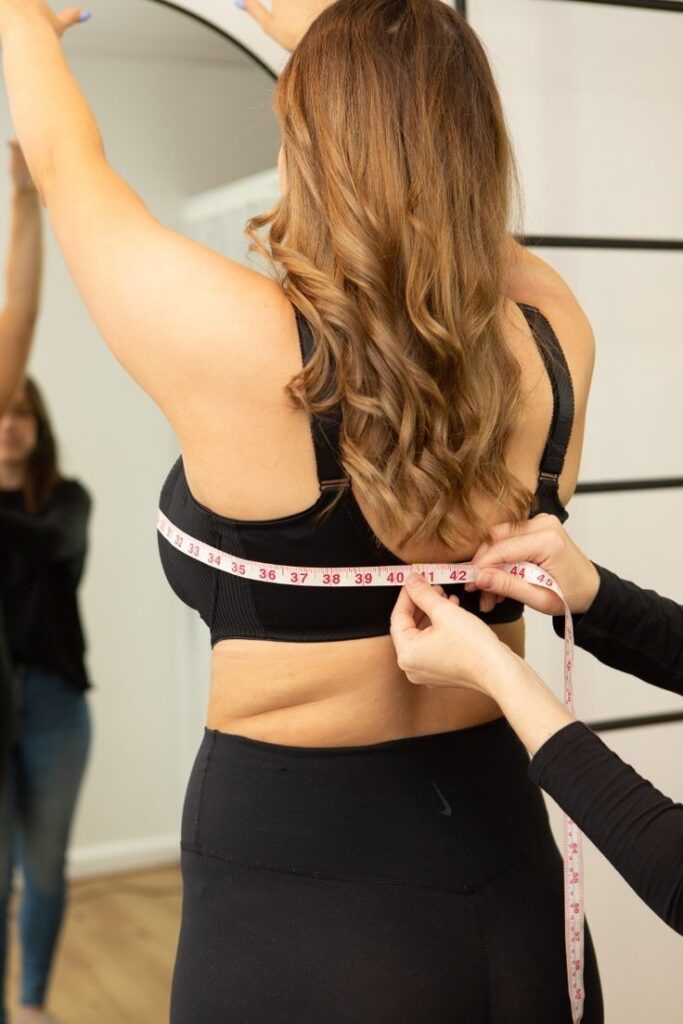
Bust: Wrap the tape around the fullest part of your bust while keeping it level across your back. This measurement helps you choose tops, jackets, dresses, and blazers that fit comfortably across your chest.
Waist: Measure around the narrowest part of your natural waist. Don’t suck in your stomach or pull the tape too tightly. A relaxed measurement gives you a much better fit.
Hips: Stand with your feet together and measure around the fullest part of your hips and bottom. This is especially important when shopping for skirts, dresses, jeans, trousers, and shorts.
Inseam: Measure from the top of your inner thigh down to your ankle. This tells you how long your trousers or jeans should be and helps you avoid buying pants that are too short or too long.
Some shoppers also like to record their shoulder width, upper arm circumference, and thigh measurements. While these aren’t always necessary, they can be very helpful when buying structured blazers, fitted sleeves, or slim-cut trousers.
It’s also worth measuring yourself every six to twelve months. Our bodies naturally change over time, so keeping your measurements updated will help you continue buying clothes that fit comfortably.
Know Your Body Shape
Knowing your measurements tells you what size to buy, but knowing your body shape helps you understand which styles are most likely to flatter you.
This is where many shoppers get confused.
Two women can wear exactly the same clothing size and still look completely different in the same outfit. That’s because their proportions are different.
For example, one woman may carry most of her weight around her midsection, while another has fuller hips and thighs.
Someone else may have balanced shoulders and hips with a defined waist. Even though all three women wear the same clothing size, they’ll often prefer different dress styles, jeans, necklines, or jackets.
Understanding your body shape doesn’t mean limiting your style or avoiding certain trends. It simply gives you a better starting point when shopping.
If you aren’t sure which body shape you have, our guide on How to Dress for Your Body Shape will help you identify it.
If you think you have an apple-shaped figure, you’ll find practical styling advice in The Most Flattering Clothes for Apple-Shaped Plus Size Women.
Still deciding between two shapes? Pear Shape vs Apple Shape: What Should You Actually Wear? explains the differences and recommends styles that work well for each.
Think of these guides as tools, not rules. Wear what makes you feel good, but use your body shape to make shopping easier and reduce the guesswork.
Don’t Shop for the Body You “Hope” to Have
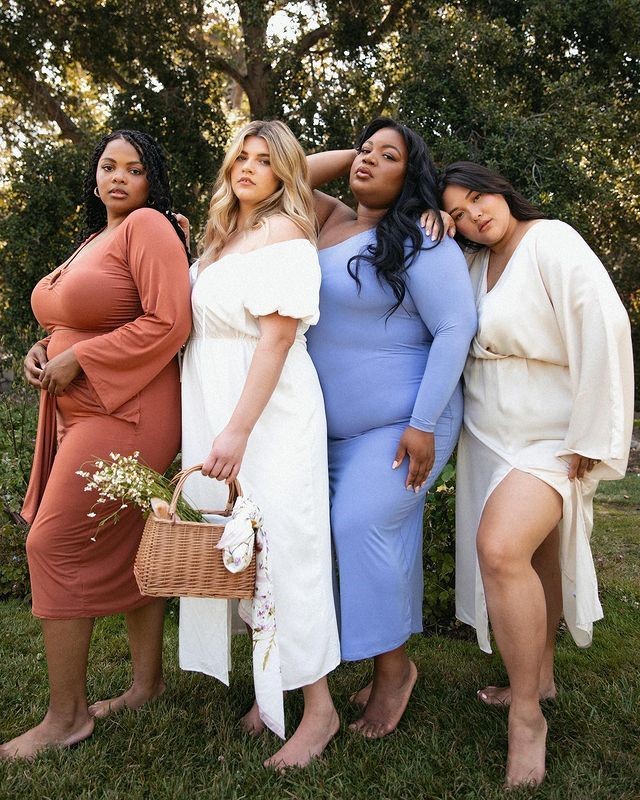
Many of us have bought clothes that were slightly too small with the hope that we’d fit into them “soon.”
Unfortunately, those clothes often stay in the wardrobe for months, or even years, without ever being worn.
Instead of motivating you, they can become a constant reminder of expectations you placed on yourself.
The best wardrobe is one that fits the body you have today.
When your clothes fit properly, you’ll feel more comfortable, move more confidently, and get far more wear out of every purchase.
A well-fitting pair of jeans or a dress that skims your curves beautifully will always look better than squeezing into a smaller size just because of the number on the label.
Remember, clothing sizes are simply numbers created by brands. They don’t measure your beauty, your worth, or your style.
Choose clothes that fit your body, not your ego. Your confidence will always shine brighter than the number printed inside your clothing.
Understand Size Charts Before You Buy
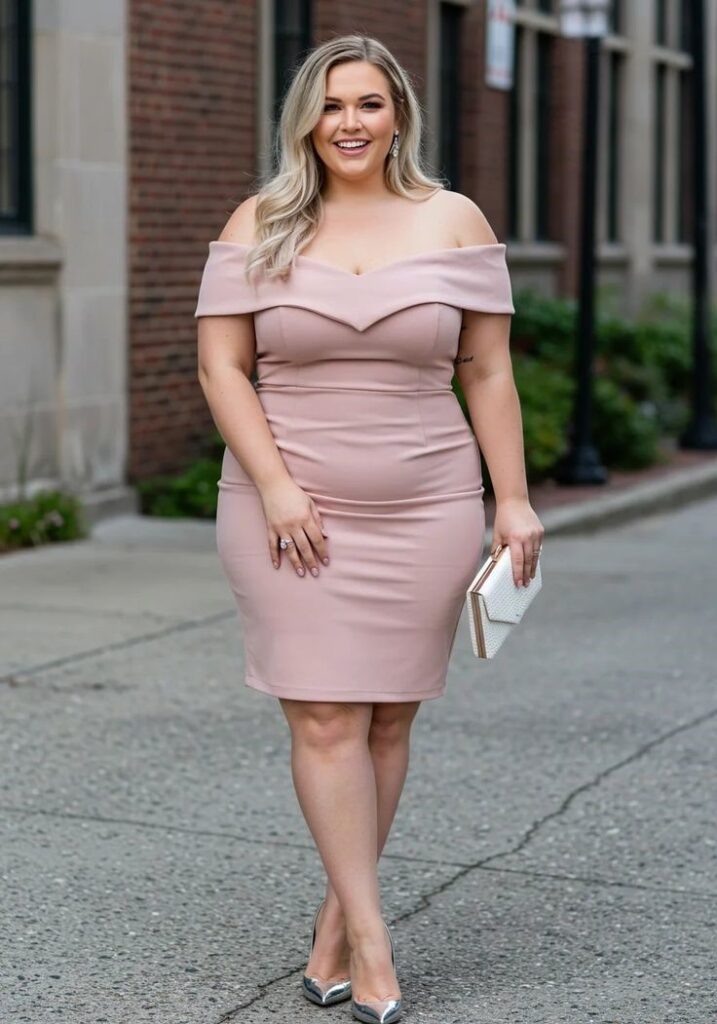
Knowing your body measurements is only half the job. The next step is learning how to use them.
Many shoppers skip the size chart because they assume they already know their size. That’s one of the easiest ways to end up with clothes that don’t fit.
Instead of clicking on your usual size, compare your measurements with the brand’s size chart every single time you shop. It only takes a minute, but it can save you the hassle of returns, exchanges, and wasted money.
Don’t Assume Every Brand Fits the Same
Fashion brands create their own sizing standards. That’s why a dress from one retailer might fit perfectly, while a dress in the same size from another brand feels too tight or too loose.
You’ll also notice that some brands use numbers like 16, 18, or 20, while others use labels such as XL, XXL, 1X, 2X, or 3X. These labels don’t always match each other, so never rely on them alone.
Always let your measurements guide your decision.
Learn How to Read a Size Chart
Most size charts include measurements for the bust, waist, and hips. Compare these with the measurements you recorded earlier.
If your measurements fall between two sizes, don’t panic. Instead, think about the type of clothing you’re buying.
For example:
- If you’re buying a fitted dress or tailored blazer, sizing up may give you a more comfortable fit, especially if the fabric has little or no stretch.
- If you’re buying a relaxed shirt, oversized sweater, or wide-leg trousers, your usual size may already provide enough room.
- For stretchy fabrics, choosing the size closest to your measurements usually works well because the fabric will naturally move with your body.
Read the Product Description Carefully
The size chart isn’t the only thing you should check.
Take a moment to read the product description because it often includes details that affect the fit.
Look for phrases like:
- Slim fit
- Relaxed fit
- Oversized fit
- Tailored fit
- True to size
- Runs small
- Runs large
These small details can help you decide whether to stay with your usual size or make an adjustment.
Don’t Ignore the Fabric
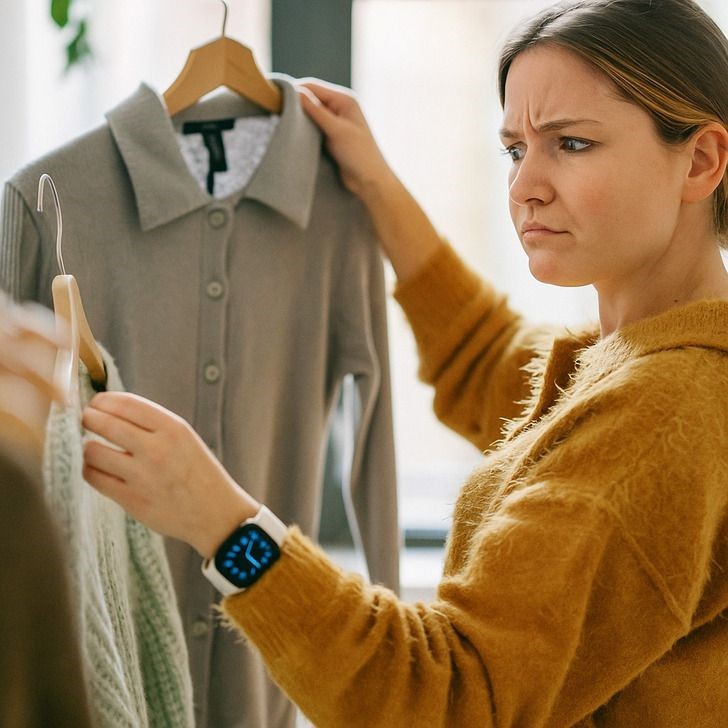
Fabric plays a huge role in how a garment fits.
For example, a dress made from 100% cotton may feel different from one made with cotton and elastane. The added stretch can make the garment much more forgiving and comfortable.
Likewise, structured fabrics usually hold their shape, while soft knit fabrics tend to stretch and drape more naturally.
Checking the fabric composition before buying helps you set realistic expectations about how the garment will fit and feel.
Check Customer Reviews
One of the best sources of sizing advice comes from people who have already bought the item.
Read reviews carefully and look for comments such as:
- “Runs one size small.”
- “Very stretchy.”
- “Perfect for pear-shaped bodies.”
- “The sleeves were too tight.”
- “Great length for tall women.”
Many shoppers also upload photos of themselves wearing the clothing. These real-life images often give you a better idea of the fit than professional product photos.
Taking five extra minutes to compare your measurements, read the size chart, check the fabric, and browse customer reviews can save you from making expensive mistakes.
It’s one of the simplest habits you can develop, yet it has one of the biggest impacts on your shopping experience.
Build a Shopping Plan Before You Spend
It’s easy to get distracted when you shop. A beautiful dress catches your eye, there’s a flash sale on your favorite website, or you convince yourself that you’ll eventually wear something because it was a bargain.
Unfortunately, buying clothes without a plan often leads to a wardrobe full of random pieces that don’t work together.
A shopping plan helps you stay focused.
Instead of asking, “Do I like this?” you’ll start asking, “Does this deserve a place in my wardrobe?” That small mindset shift can save you money and help you build a collection of clothes you actually enjoy wearing.
Audit Your Wardrobe First
Before adding anything new to your cart, take a good look at what you already own.
Pull everything out of your wardrobe and sort your clothes into three piles:
- Clothes you wear all the time.
- Clothes you wear occasionally.
- Clothes you never wear.
As you go through each piece, ask yourself:
- Does it still fit comfortably?
- Is it in good condition?
- Have I worn it in the last year?
- Does it match my current lifestyle?
- Would I buy it again today?
Your answers will quickly reveal what’s working and what isn’t.
You may discover that you already own five black tops but don’t have a single pair of well-fitting jeans.
Or perhaps your wardrobe is full of statement pieces but lacks everyday basics. Knowing these gaps makes shopping much more intentional.
If you’re planning to simplify your wardrobe, our guides on The Ultimate Plus Size Capsule Wardrobe, The Only Wardrobe Basics You Really Need, and How to Build a Closet You’ll Actually Wear will help you create a collection that’s practical, versatile, and easy to style.
Make a Shopping List
Once you’ve identified what’s missing, write everything down.
A shopping list gives you direction and reduces impulse buying.
Instead of saying, “I need new clothes,” be specific.
For example:
- A pair of dark-wash jeans.
- A white button-down shirt.
- A black blazer.
- Comfortable everyday sneakers.
- A versatile crossbody bag.
Shopping with a list also makes it easier to compare prices and prioritize essentials before buying trend pieces.
Set a Realistic Budget
You don’t need to spend a fortune to dress well.
The goal is to spend your money wisely.
Decide how much you’re comfortable spending before you start shopping, then divide that budget according to your needs.
For example, it often makes sense to invest more in wardrobe staples like jeans, coats, handbags, or quality shoes because you’ll wear them repeatedly.
Trend-driven pieces can usually come from more affordable retailers since they may only stay in style for a season or two.
If you’re looking for stylish options that won’t stretch your budget, explore 10 Affordable Plus Size Fashion Brands You’ll Love and If you’re ready to invest in timeless pieces that offer exceptional quality, you’ll also enjoy 10 Luxury Plus Size Fashion Brands Worth Knowing.
Think About Cost Per Wear
One of the smartest shopping habits you can develop is thinking beyond the price tag.
Imagine you buy a blazer for $120 and wear it twice every week for two years. Compare that with a trendy top that costs $35 but only gets worn once.
The blazer may cost more upfront, but it delivers much better value over time.
Before buying anything, ask yourself:
- How often will I wear this?
- Can I style it in different ways?
- Will it still suit my lifestyle next season?
If the answer is yes, it’s probably a worthwhile investment.
A thoughtful shopping plan doesn’t take the fun out of fashion. It simply helps you spend less on regret and more on clothes that earn a permanent place in your wardrobe.
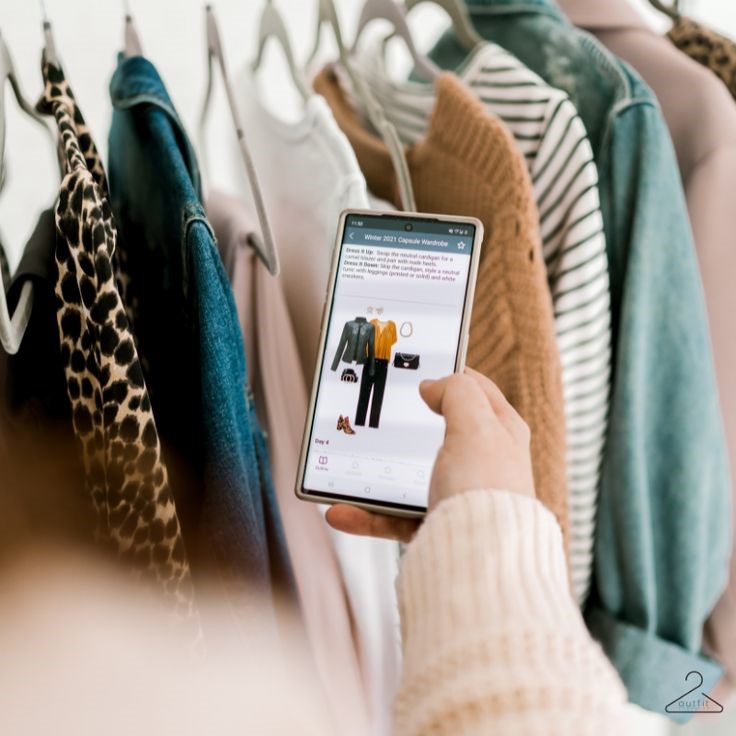
Shop Online Like a Pro
Online shopping has made it easier than ever to find stylish plus size clothing. You can browse hundreds of brands, compare prices, and shop from the comfort of your home.
It also gives you access to retailers that may not have physical stores in your area.
However, convenience comes with challenges. You can’t touch the fabric, try the clothes on, or immediately tell whether something fits the way you expect.
That’s why shopping online requires a little more attention than shopping in person.
The good news is that a few simple habits can help you avoid most online shopping mistakes.
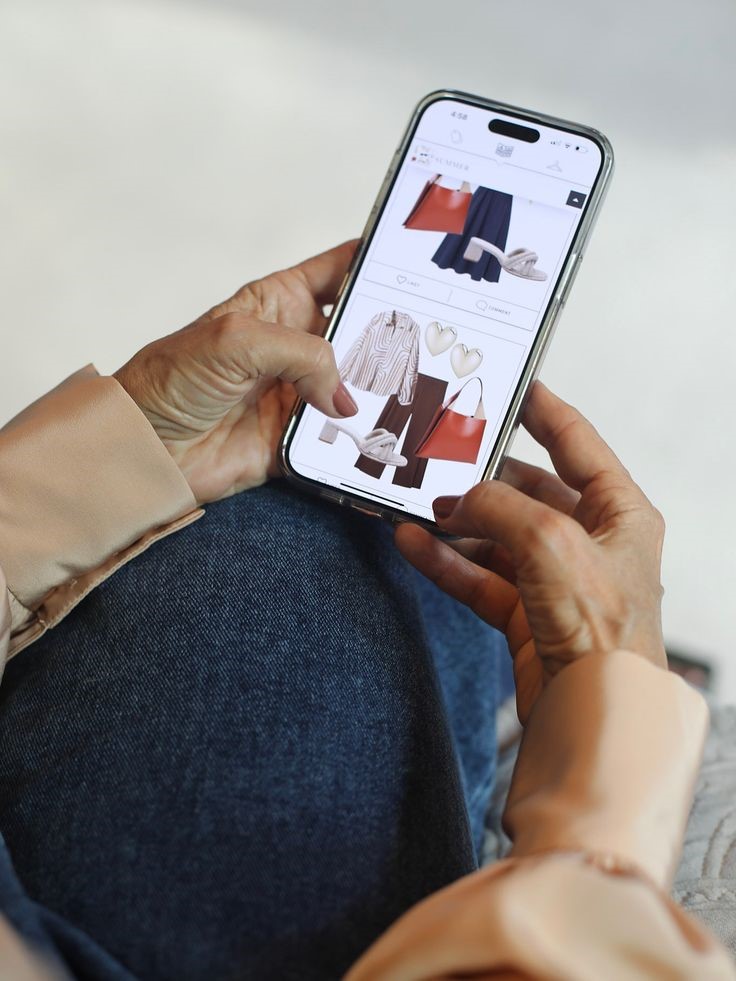
Start With Retailers That Understand Plus Size Fashion
Not every clothing brand designs plus size collections the same way. Some simply make straight-size clothing larger, while others create garments specifically for curvier proportions.
Whenever possible, shop from brands that specialize in plus size fashion or have a strong reputation for inclusive sizing. These retailers often pay closer attention to fit, comfort, and proportions.
If you’re looking for reliable places to start, check out, 25 Online Stores Every Plus Size Woman Should Bookmark
If you’re also shopping on a budget, you’ll also love 33 Affordable Plus Size Fashion That Looks Designer.
Never Skip the Product Photos
Don’t stop at the first image.
Scroll through every product photo and look closely at the details.
Pay attention to:
- How the garment fits the model.
- Where the hemline falls.
- Sleeve length.
- Neckline shape.
- Whether the fabric looks structured or flowy.
- Any close-up photos showing texture.
If the retailer includes videos, watch them. A moving video often gives you a much better idea of how the fabric drapes than a still photo.
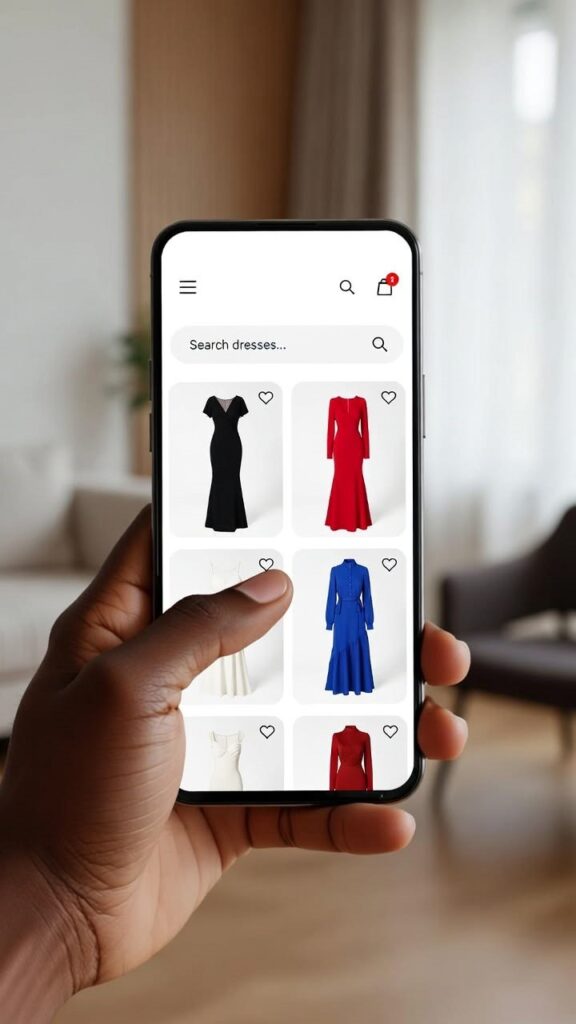
Read the Description From Top to Bottom
Many shoppers only look at the photos and price.
The product description often tells you everything the pictures can’t.
Look for information about:
- Fabric composition.
- Stretch level.
- Fit (slim, relaxed, oversized, or tailored).
- Length.
- Care instructions.
These details can help you decide whether a piece matches your expectations before you buy it.
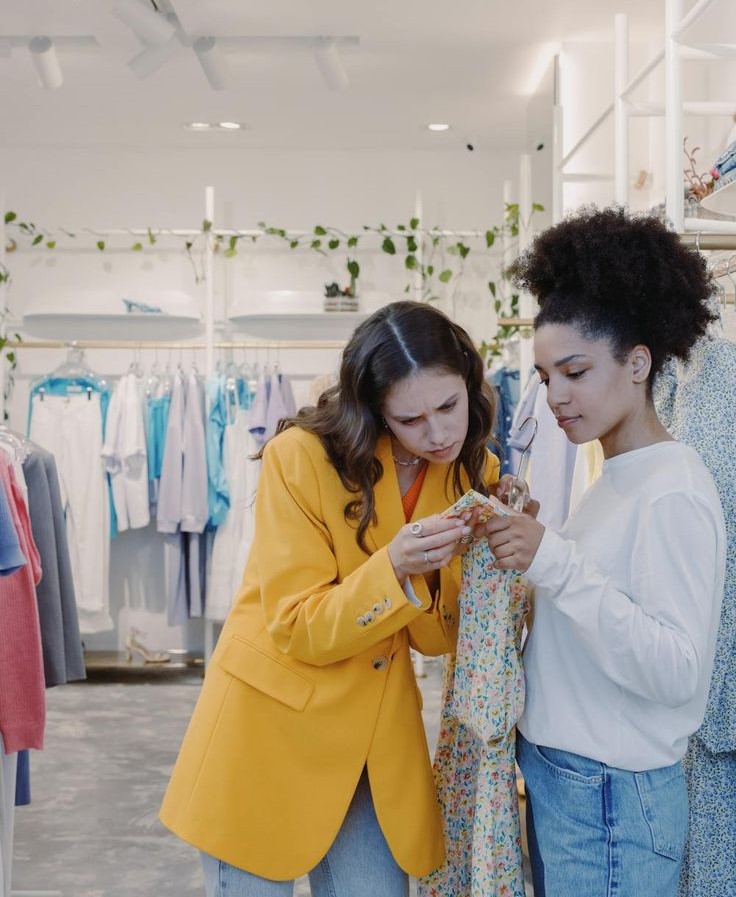
Read Customer Reviews Carefully
Customer reviews are one of the most valuable tools when shopping online.
Instead of only checking the star rating, read what people actually say.
Look for comments about:
- Whether the item runs small or large.
- Fabric quality.
- Comfort.
- Shrinkage after washing.
- Colour accuracy.
- Whether the product looks like the photos.
Reviews from customers with similar body shapes or clothing sizes can be especially helpful.
Understand the Return Policy
Even experienced shoppers occasionally order something that doesn’t work.
Before placing your order, check the retailer’s return and exchange policy.
Find out:
- How many days you have to return an item.
- Whether returns are free.
- If you receive a refund or store credit.
- Who pays for return shipping.
Knowing the policy beforehand can save you unnecessary stress if something doesn’t fit.

Watch Out for Deals That Seem Too Good to Be True
A huge discount can be tempting, but extremely low prices sometimes come at the expense of quality.
Before buying from a retailer you’ve never used before, do a little research. Read customer reviews, check their reputation, and make sure the website provides clear contact information and return policies.
If everything looks trustworthy, great. If not, it’s usually better to spend a little more with a retailer you know than risk losing your money on poor-quality clothing.
Shopping online doesn’t have to feel risky. When you compare measurements, study the product details, read reviews, and understand the return policy, you’ll make better decisions with every purchase.
Over time, these habits become second nature, helping you build a wardrobe you’ll love instead of one filled with disappointing buys.
Shop In-Store Like a Pro
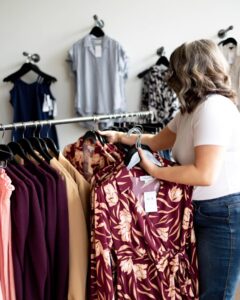
Shopping in a physical store gives you one big advantage over shopping online, you can see, touch, and try on the clothes before spending your money.
That alone can save you from buying pieces that look great on the hanger but don’t work once you put them on.
Still, many people rush through the fitting room or make decisions too quickly. A few extra minutes can help you avoid buying clothes you’ll regret later.
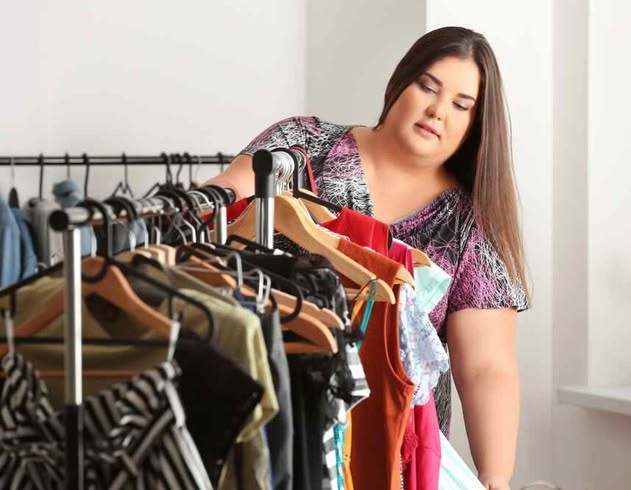
Wear the Right Undergarments
What you wear underneath your clothes can completely change how an outfit looks and fits.
If you’re shopping for dresses, blazers, or fitted tops, wear a bra that fits properly. An ill-fitting bra can affect how necklines, shoulders, and waistlines sit on your body.
If you regularly wear shapewear, bring it along when shopping for special occasion outfits. This gives you a more accurate idea of how the garment will look when you actually wear it.
Not sure if your bra fits correctly? Read How to Find a Bra That Actually Fits. You may also want to explore The Most Common Bra Fitting Mistakes Plus Size Women Make to avoid common sizing errors.
Try More Than One Size
Don’t let the number on the label influence your decision.
If a top feels tight across the bust or a pair of trousers fits your waist but not your hips, try another size.
Remember, you’re looking for the best fit, not the smallest number.
Many experienced shoppers take two or three sizes of the same item into the fitting room because they know sizing varies between brands.
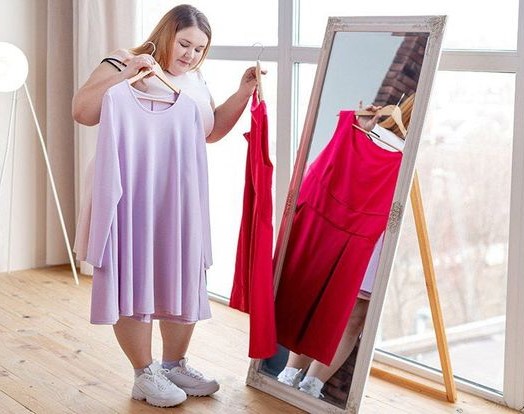
Move Around Before You Decide
Standing still in front of the mirror doesn’t tell you everything.
Once you’re wearing the outfit:
- Sit down.
- Walk around.
- Raise your arms.
- Bend over slightly.
- Reach forward as if you’re picking something up.
Ask yourself:
- Does anything pull too tightly?
- Does the fabric ride up?
- Can I move comfortably?
- Would I enjoy wearing this for several hours?
If the answer is no, it’s probably not the right fit.
Check the Fit From Every Angle
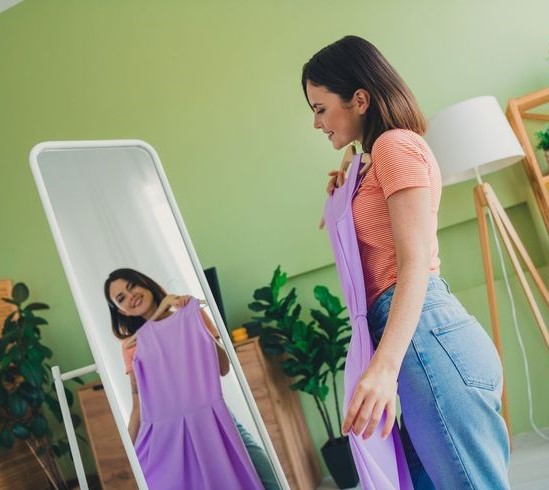
Don’t just look at the front.
Turn sideways and look at the back as well.
Pay attention to:
- Shoulder seams.
- Sleeve length.
- Waist placement.
- Hemline.
- How the fabric falls over your hips.
Many fitting rooms have several mirrors. Use them to see how the garment looks from every angle.
Feel the Fabric
Take a moment to touch the material before buying.
Ask yourself:
- Does it feel soft or scratchy?
- Is it thick enough to avoid being see-through?
- Does it wrinkle easily?
- Does it stretch back into shape after you gently pull it?
These simple checks can tell you a lot about the quality of the garment.
Don’t Let a Sale Pressure You
A discount doesn’t automatically make something a good purchase.
Before taking an item to the checkout, ask yourself:
- Would I still buy this if it wasn’t on sale?
- Can I wear it with at least three outfits I already own?
- Do I genuinely love it, or am I buying it because it’s cheap?
If you hesitate, put it back.
A bargain isn’t really a bargain if it stays in your wardrobe unworn.
Shopping in-store gives you the opportunity to experience a garment before buying it. Make the most of that advantage.
Take your time, trust what you see in the mirror, and choose pieces that fit comfortably, feel good, and suit your everyday life rather than buying simply because they’re available.
Finally, keep this guide handy before your next shopping trip, and whenever you need more outfit inspiration or styling advice, explore the related guides linked throughout this article.
Happy shopping!

One Comment