The Hidden Reason Your Outfits Feel Off
Disclosure: Some of the links in this post are affiliate links. This means if you click on the link and purchase an item, I will receive an affiliate commission at no extra cost to you.
Have you ever put on an outfit that should look amazing, but somehow it just… doesn’t?
The clothes fit. The colors work, like nothing looks obviously wrong. Yet when you look in the mirror, the whole outfit still feels slightly off.
That frustrating feeling is easy to blame on your body. Maybe the jeans are wrong or the top is too tight. Maybe you need different clothes altogether.
But sometimes, the real problem is much simpler.
It’s the relationship between the pieces.
A waistband sitting at the wrong point can change the entire shape of an outfit. A bulky fabric can add visual weight where you did not expect it. A jacket that ends at an awkward spot can interrupt your proportions. Even the size and placement of a handbag can affect how balanced everything looks.
That means an outfit can contain beautiful pieces and still fail to look pulled together.
And this is especially important for plus-size women because clothing does not exist in isolation.
Where a garment starts, where it ends, how much volume it creates, and what it sits next to can completely change the final effect.
The good news? You probably do not need a new wardrobe.
You may just need to understand what is throwing the outfit off.
Once you start noticing proportion, placement, structure, fabric, and visual weight, getting dressed becomes much easier. Instead of wondering why an outfit feels wrong, you can actually identify the problem and fix it.
Here are the hidden reasons your outfits may feel off and the simple styling changes that can make them look intentional.
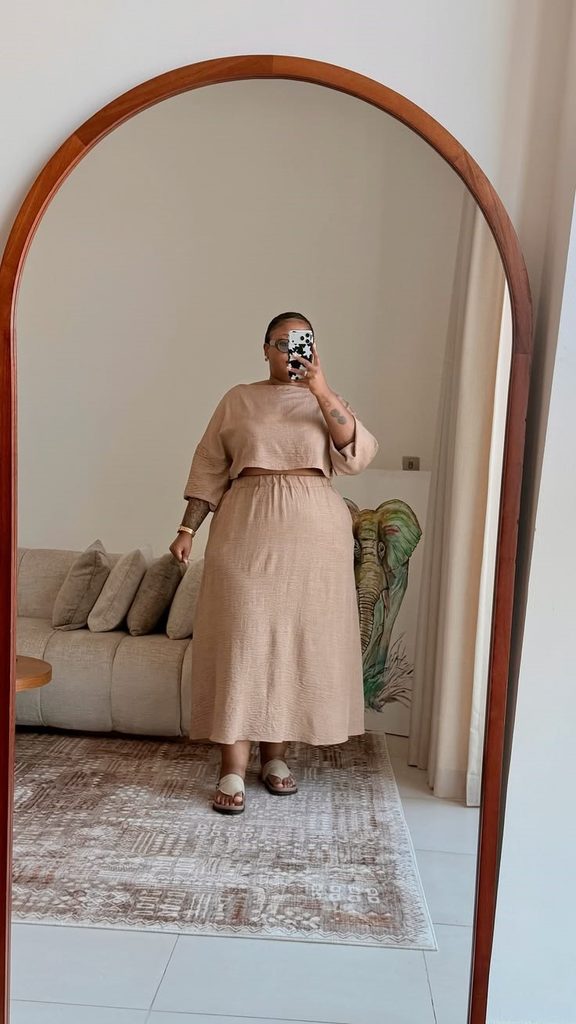
1. Your Proportions Might Be Having an Argument
Ever put on a perfectly good outfit and thought, “Why are we not getting along today?”
Your proportions might be the reason.
A beautiful blouse, great jeans, gorgeous shoes, and a handbag you love can still look strangely disconnected when the pieces don’t relate well to each other.
Nothing is necessarily wrong with the individual items. They simply aren’t creating the right visual conversation.
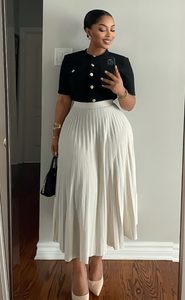
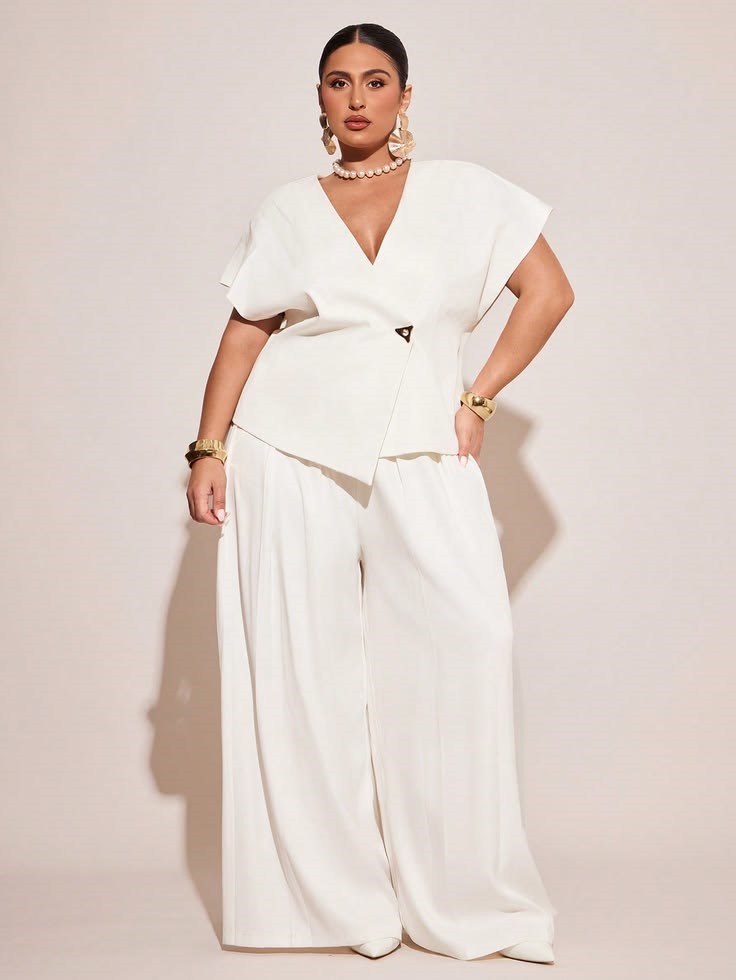
Think about a long, loose top with wide-leg trousers. Now picture that same top tucked into high-rise jeans. Same top, completely different effect. Add a cropped jacket, and the silhouette changes again.
That little word, rhythm matters more than it gets credit for.
Your outfit has lines, lengths, breaks, volume, and points where the eye naturally pauses. When those elements work together, the outfit feels effortless.
When they don’t, you can end up standing in front of the mirror tugging at your shirt, adjusting your waistband, changing your shoes, and wondering why nothing is clicking.
And here’s the part many styling guides skip: you don’t have to change your body to change the balance. You can change the relationship between the clothes.
A slight tuck can define your waist. A shorter jacket can create a cleaner break. A longer necklace can add length. Even changing the shape of your trousers can shift the entire outfit.
Learning How to Dress for Your Body Shape can help you understand these relationships without getting trapped by rigid “flattering” rules.
For more practical ideas, 25 Outfit Tricks That Create a More Balanced Silhouette can help you make small adjustments that change the overall effect.
Next time an outfit feels off, pause before blaming the clothes or yourself. Look at the proportions first.
Your wardrobe may not need replacing. It may simply need better balance.
2. Your Clothes Might Be Ending in the Wrong Places
Sometimes the outfit isn’t wrong. The problem is simply where everything stops.
A top that ends at the widest part of your hips can create a completely different effect from one that ends slightly above or below it. The same goes for jackets, skirts, trousers, dresses, and even your sleeves. A few inches can quietly change the entire look.
This is one of those details you might not notice until you see the difference side by side. One outfit feels sleek and balanced. Another feels a little boxy or awkward, even though both contain similar pieces.
That is because the eye naturally notices where lines begin and end.
A jacket ending at your waist can create definition. One ending right across your hips can create a stronger horizontal line. Neither is automatically better. It depends on what the rest of the outfit is doing.
The same trick works with dresses. If the hem lands at an awkward point on your leg, the dress may feel heavier than expected.
Move that hemline slightly, change the shoe, or add a little structure at the waist, and suddenly the whole outfit can feel different.
This is also why understanding The Styling Mistake That’s Making Your Outfits Look Boxy can be so useful. Sometimes “boxy” isn’t about wearing loose clothing.
It’s about several pieces ending at similar points and creating too many competing horizontal lines.
Before replacing an outfit that feels wrong, try moving one thing.
Tuck it. Roll it. Layer it. Change where the line breaks.
That tiny adjustment might be all the outfit was asking for.
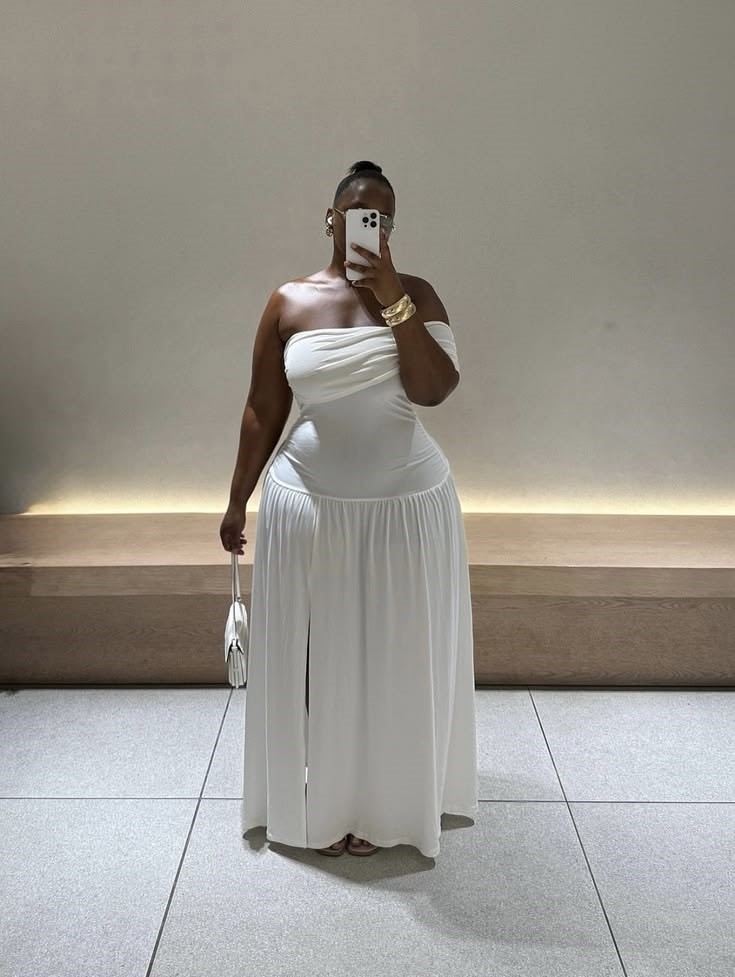
3. Too Much Volume Can Quietly Take Over the Outfit
There is nothing wrong with loving oversized clothes. The problem starts when every piece in the outfit is trying to make a grand entrance at the same time.
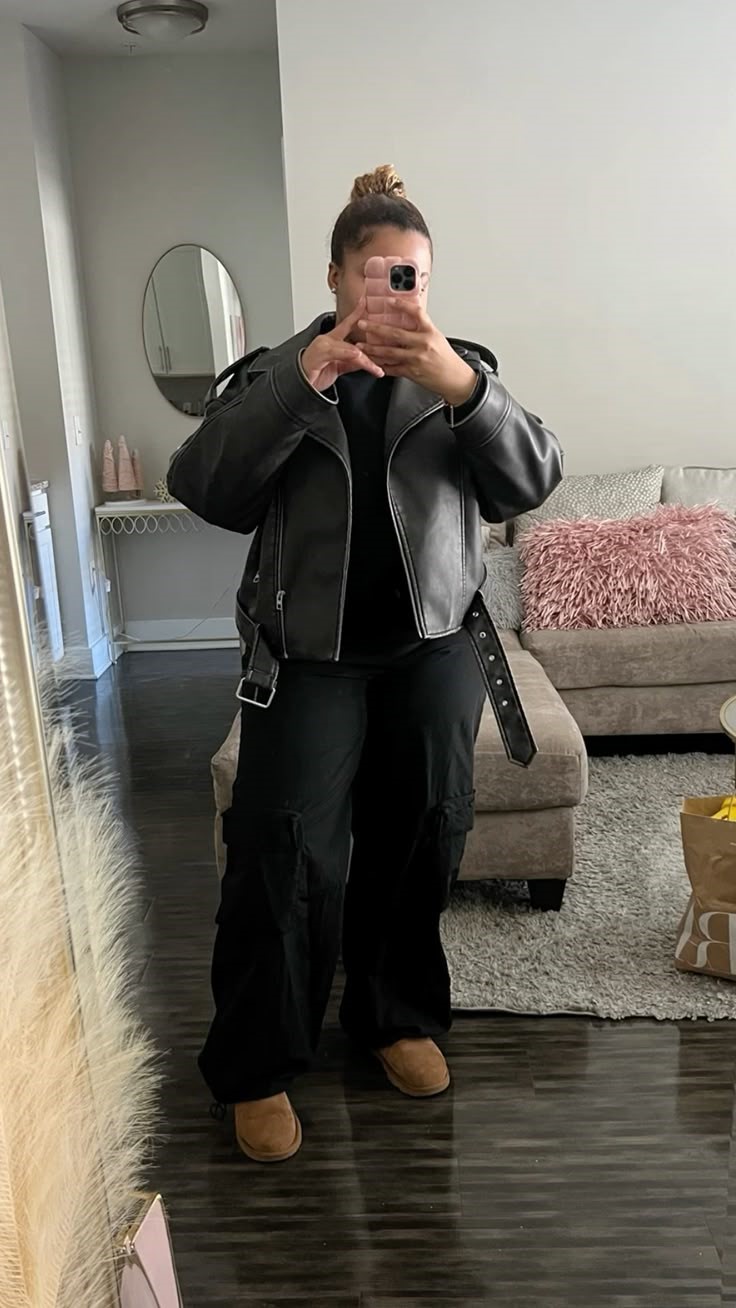
A roomy sweater, wide-leg trousers, oversized blazer, large handbag, and chunky shoes can each look fantastic on their own. Put them together, though, and the outfit can lose its shape under all that fabric.
This doesn’t mean you need to squeeze yourself into fitted clothing. It simply means volume needs somewhere to breathe.
Try pairing one generous piece with something that gives the outfit a little definition. A flowing blouse can work beautifully with straighter trousers.
Wide-leg jeans can feel more balanced with a closer-fitting top. An oversized blazer can look intentional when the rest of the outfit has a cleaner silhouette.
That balance becomes especially useful when styling denim. If you’re experimenting with different cuts, Wide-Leg Jeans Outfit Ideas can show how volume can look relaxed without swallowing the entire outfit.
And if you’re unsure about your everyday denim, The Best Jeans for Curvy Women can help you think beyond size and focus on shape, rise, and proportion.
Even accessories contribute to this equation. A huge handbag paired with bulky layers can make the upper or lower half feel visually heavy, while a smaller bag can give the outfit some breathing room.
The goal isn’t to remove volume. It’s to give it a job.
Let one piece be the star. Let the others support it.
Once you start looking at volume this way, oversized clothing stops being something to fear and becomes another styling tool you can actually control.
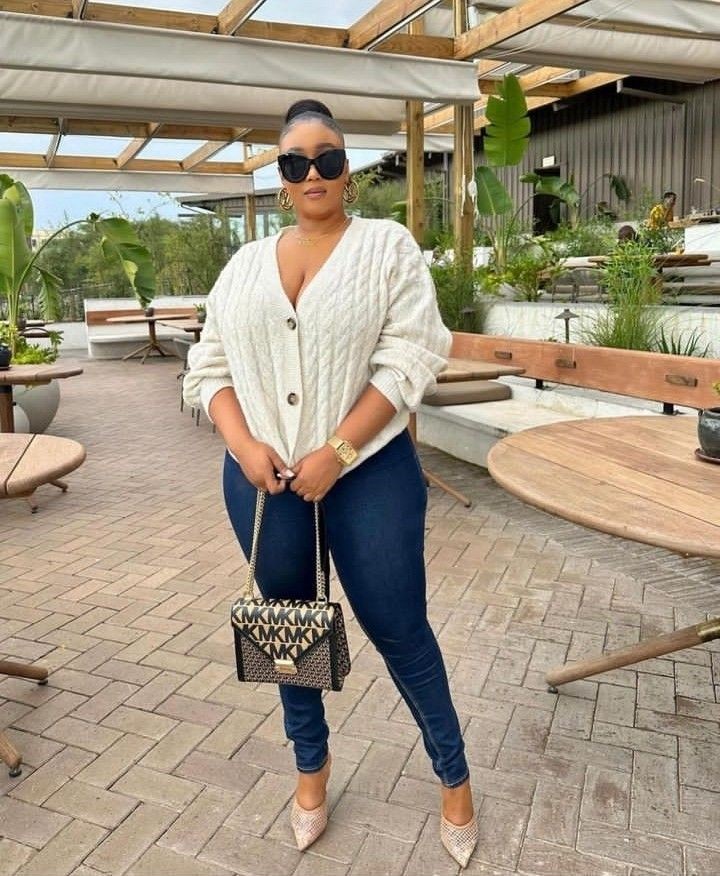
4. The Fabric May Be Changing the Whole Mood
Sometimes the outfit looks fine until you actually put it on. Then something feels heavier, stiffer, clingier, or simply less polished than you imagined.
Fabric can be the quiet culprit.
Two tops can have almost the same cut, yet look completely different because one drapes softly while the other holds its shape. Likewise, a thin clingy fabric may follow every curve, while a structured material creates cleaner lines around the body.
That doesn’t mean one fabric is automatically better. It depends on the effect you’re trying to create.
For example, if you’re building a polished work outfit, a fabric with some structure can make the look feel more intentional.
That’s why pieces from 31 Professional Workwear Staples Every Plus Size Woman Needs can be useful beyond the office; structured clothing often gives an outfit a little more visual direction.
On the other hand, softer fabrics can make casual dressing feel effortless. Pairing them with the right silhouette is key, especially when you’re creating everyday looks from pieces like those in 25 Casual Plus Size Outfit Ideas You’ll Want to Wear Every Day.
Then there is fabric weight. A thick, bulky material can add volume quickly, particularly when several heavy pieces are layered together.
Meanwhile, very thin fabric can sometimes make an outfit feel unfinished because it doesn’t hold the shape you expected.
So before deciding that a particular style “doesn’t suit you,” look at the material.
A more natural version would be:
Does it drape nicely, cling in the wrong places, And what happens when it bunches or folds?
Once you start paying attention to those details, shopping becomes less about chasing a certain size or trend and more about understanding what actually works with your clothes.
And that leads to another detail people often overlook: structure.
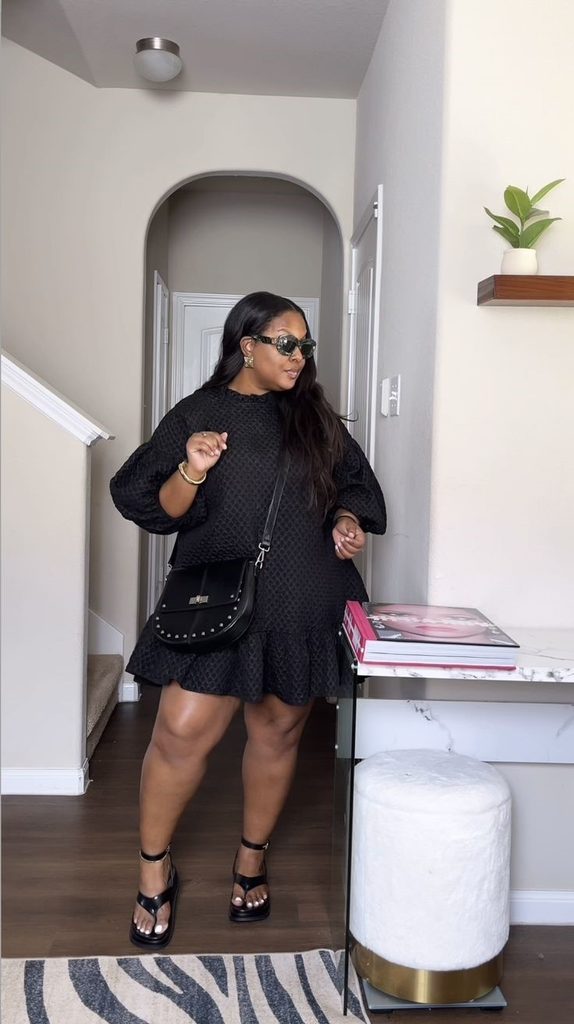
5. Your Outfit Might Be Missing Structure
Sometimes an outfit has all the right ingredients but still feels a little… unfinished.
The dress is right. The shoes work. Even the perfect bag has made it into the mix. Yet when you look in the mirror, something feels flat. That missing piece may be structure.
Structure gives clothing direction. It can come from a defined shoulder, a crisp collar, a waistband, a tailored jacket, a sturdy handbag, or even a shoe with a more substantial shape. These details give softer pieces something to work against.
For example, a flowy dress can look completely different with a structured blazer thrown over it. A relaxed pair of trousers can feel more polished with a fitted shirt and a defined belt.
Even a simple outfit can look considerably more intentional when one piece provides a clear shape.
This is one reason The Best Blazers for Plus Size Women can be such a useful wardrobe starting point. A good blazer doesn’t just add another layer. It can create shoulders, define the middle of an outfit, and give softer fabrics a little more direction.
The same principle applies when you’re building a capsule wardrobe. The Ultimate Plus Size Capsule Wardrobe works because versatile pieces can provide different levels of structure depending on how you combine them.
However, structure doesn’t mean stiff or uncomfortable. You don’t need to dress like you’re heading into a boardroom every morning.
A denim jacket, structured cardigan, defined waist, or polished shoe can create enough shape without making the outfit feel overly formal.
The trick is knowing where your outfit needs a little backbone.
Too little structure can make everything blend together. Too much can make the outfit feel rigid.
Somewhere between the two is where the magic usually happens.
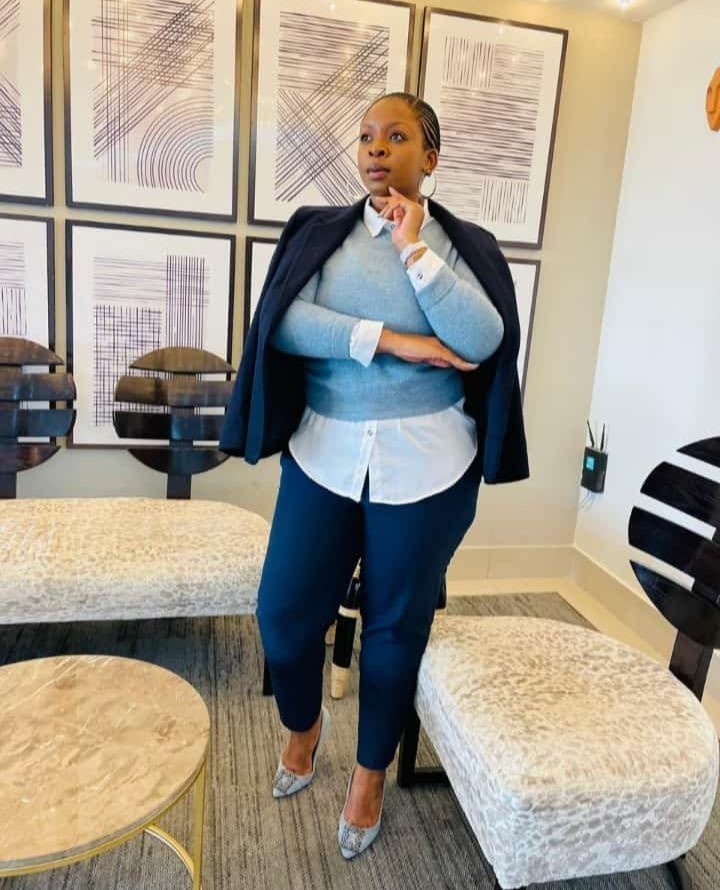
6. Your Accessories Might Be Working Against the Outfit
Ever finished getting dressed, looked in the mirror, and thought, “Something is missing”? Then you add a necklace, grab a bigger bag, switch the shoes, and somehow the outfit feels even more confusing?
Accessories can do that.
They are supposed to finish an outfit, but the wrong ones can quietly throw off everything you’ve already put together.
A chunky necklace with a busy neckline, an oversized handbag with an already voluminous outfit, or heavy shoes with delicate clothing can create visual competition.
The funny thing is that none of these pieces has to be ugly. They simply may not belong in that particular conversation.
Think about an outfit as a room. If every piece of furniture is large, colourful, and demanding attention, the room starts feeling crowded. Clothing works in much the same way.
That is why Accessories That Instantly Upgrade Any Outfit is worth exploring when an outfit feels like it needs something but you aren’t sure what.
A statement necklace can be gorgeous, for instance, but it may need a simpler neckline around it. Likewise, a bold handbag can become the focal point when the rest of the outfit stays relatively quiet.
Even shoes can change the visual weight of an outfit, which is why having a few reliable options from Shoes Every Plus Size Woman Should Own can make getting dressed easier.
And don’t forget scale. A tiny bag can disappear against a dramatic outfit, while an enormous one can overwhelm a delicate look.
So before adding another accessory, pause for a second.
Ask yourself: does this piece complete the outfit, or is it competing with everything else?
Sometimes the missing ingredient isn’t another accessory.
It’s a little breathing room.
7. The Outfit May Have Too Many Things Competing for Attention
Sometimes an outfit can have too much going on without looking obviously “too much.”
The print is bold. The shoes are dramatic. The bag has hardware. Then there is a statement necklace, an interesting jacket, and perhaps one more accessory added because the outfit still feels like it needs something.
Individually, those pieces might be gorgeous. Together, they can leave the eye with nowhere to rest.
That doesn’t mean every outfit needs to be plain. In fact, bold fashion can be incredibly stylish when the rest of the look knows when to step back.
For example, if a printed dress is doing most of the talking, a simple shoe and understated handbag can let it shine. A neutral outfit, on the other hand, gives you more room to play with a statement accessory.
This is where colour matters, too. The Best Colors for Plus Size Fashion can help you think beyond whether a shade looks good on its own and consider how different colours interact across the entire outfit.
The same idea applies to prints. A bold pattern doesn’t need to be avoided because it attracts attention. How to Wear Bold Prints With Confidence can help you work with that attention instead of fighting it.
Even an outfit built entirely from neutrals can become visually busy when there are too many textures, layers, or competing details.
Try giving your outfit one clear focal point.
Maybe it’s the beautiful print. Maybe it’s the neckline. Perhaps it’s a striking pair of shoes or a gorgeous handbag.
Once one element takes the lead, everything else can support it.
Because stylish doesn’t always mean adding more. Sometimes the most polished outfit is the one that knows when to stop.
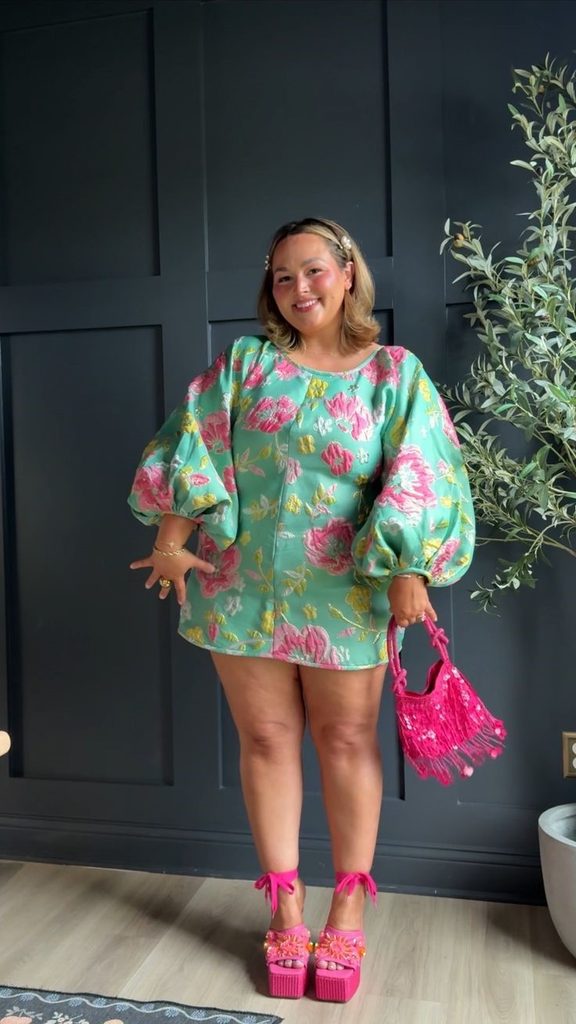
8. The Outfit Might Be Missing a Clear Focal Point
Picture this: every piece of the outfit is nice, but nothing really stands out. The colours work. The fit is good. The accessories are fine. Still, the whole look feels a little… forgettable.
That usually means the outfit is missing a focal point.
A focal point gives the eye somewhere to land. It could be a beautifully cut blazer, an interesting neckline, a statement necklace, a great pair of shoes, or even a simple belt that brings attention to the waist.
The trick is choosing one element to carry a little more visual interest while allowing everything else to support it.
For instance, a simple black dress can become much more interesting with a striking necklace. That is where Statement Necklace Styling Guide can come in handy, especially when the rest of the outfit is intentionally understated.
On another day, the focal point might be the handbag. A structured bag can give a simple jeans-and-top combination a more finished feel without making the outfit feel overdone. Handbags That Go With Everything is useful when you want everyday accessories to work harder.
Even a belt can change the conversation. It can break up a long silhouette, add definition, or simply give the outfit that final detail it was missing. How to Choose the Perfect Belt for your frame can help when you’re experimenting with different shapes and placements.
The important thing is not to make every part of the outfit interesting.
Let one detail have its moment.
Once the eye knows where to look first, everything else can settle into place. The outfit suddenly feels less random and much more intentional.
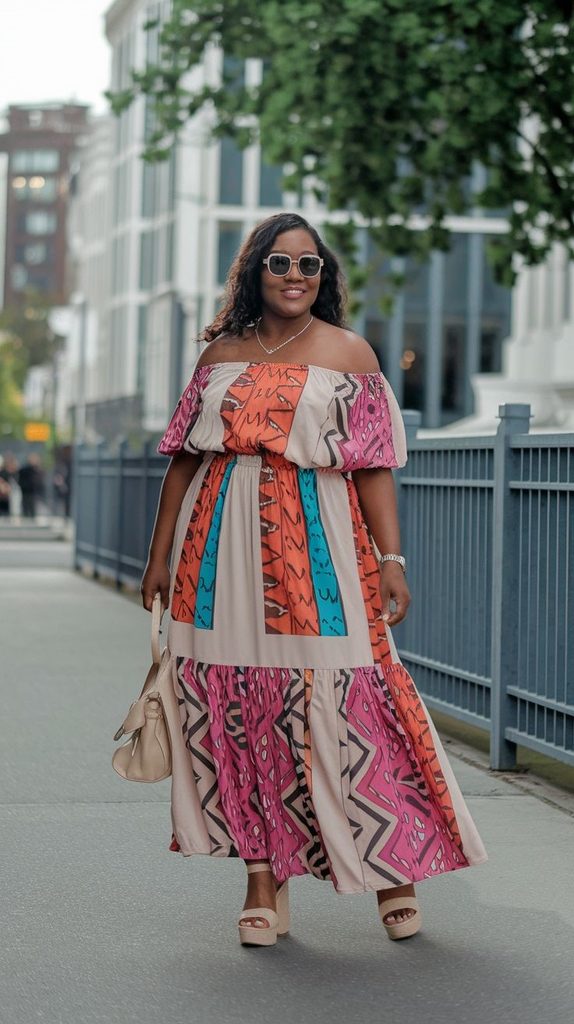
The Outfit Was Never the Problem
That outfit sitting on the bed was never the real problem.
Neither was the woman wearing it.
What felt “off” often came down to tiny details hiding in plain sight: an awkward hemline, competing volumes, a fabric that falls differently than expected, too many attention-grabbing pieces, or simply nothing giving the look a sense of direction.
Once those details become easier to spot, getting dressed stops feeling like a daily guessing game.
A top can be tucked differently. A jacket can be moved. A necklace can be swapped. A bulky layer can be replaced with something lighter. A pair of shoes can completely change the way the rest of the outfit reads.
That is the beauty of understanding clothes. The answer isn’t always another shopping trip.
Sometimes, the pieces already hanging in the closet have more potential than they get credit for.
So the next time the mirror gives you that confusing “something isn’t right” feeling, don’t immediately reach for another outfit. Pause. Look closer. Play with the proportions, shift a layer, remove one detail, or introduce something unexpected.
Your wardrobe doesn’t have to become bigger to become more useful.
It just needs to make a little more sense.
And once you know what to look for, that mirror moment can go from “What is wrong with this?” to “ohh. There it is.”