25 Outfit Tricks That Create a More Balanced Silhouette
Disclosure: Some of the links in this post are affiliate links. This means if you click on the link and purchase an item, I will receive an affiliate commission at no extra cost to you.
There’s a funny thing about getting dressed: sometimes the clothes are perfectly fine, but the outfit still doesn’t meet your expectations.
You can wear your favorite wide-leg jeans, a top you feel good in, and a pair of beautiful shoes and still spend the day tugging at the hem, adjusting the waistband, or wondering why the outfit looked so much better in your imagination.
Then you change one thing.
You tuck the top instead of leaving it loose. Push up the sleeves. Add a jacket and leave it open. Swap a long necklace for a shorter one. Suddenly, the same clothes look completely different.
That isn’t a coincidence. It’s proportion. It can change the way we see an outfit.
Where a hem stops, where a jacket closes, how much volume sits on your top or bottom half, and even where your shoes meet your pants can affect the overall balance. And you don’t need a particular body shape to use these tricks.
The best part? This isn’t about making your body look smaller or hiding your curves. It’s not about squeezing yourself into clothes that don’t feel like you. It’s about making small styling adjustments so your clothes work with your proportions instead of competing with them.
So, if you’ve ever looked at an outfit and thought, “Something is missing, but I don’t know what,” start here. These 25 simple tricks can help you figure out what to change and make the clothes you already own work so much better.
1. Don’t Just Tuck Your Top, Pay Attention to Where It Ends
“Just tuck it in” is one of those styling tips that sounds easy but doesn’t always work.
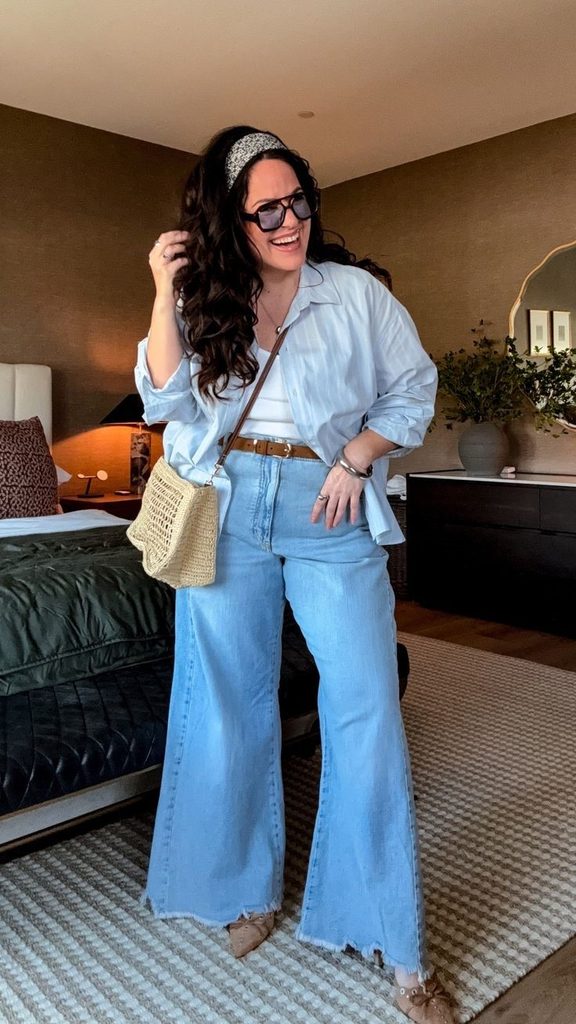
The real issue isn’t whether your top is tucked. It’s where the top ends in relation to your waist, hips, and bottoms.
A full tuck can sometimes bunch up around the stomach or create more bulk than you wanted. Leaving a long, loose top over wide-leg pants can have the opposite effect, making the whole outfit look like one large block of fabric.
Try experimenting instead. Do a small French tuck, tuck only one side, or fold the hem underneath until it hits at a better spot. You don’t need to expose your entire waist. Sometimes showing just a little of the waistband is enough to break up the outfit and give it some shape.
This is especially helpful when you’re wearing fuller bottoms. Wide-leg jeans, for example, already create plenty of volume below the waist. A top that ends at a more intentional point can keep the outfit from feeling bottom-heavy.
If you often feel like your outfits look wider or boxier than you intended, The Styling Mistake That’s Making Your Outfits Look Boxy explores why certain combinations create that effect and what you can do differently.
The real trick is not to tuck your top simply because someone said it is flattering. Adjust the length until the top and bottom look balanced together.
2. Let Your Bottoms Decide How Much Volume Your Top Needs
One of the easiest ways to make an outfit feel unbalanced is to put a very loose top with very loose bottoms and assume the outfit will somehow come together.
Sometimes it does. Often, it just creates a lot of fabric with no clear shape.
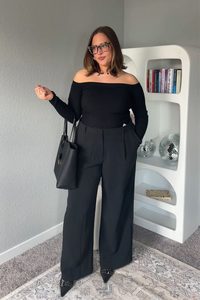
If you’re wearing wide-leg jeans, palazzo pants, or a full skirt, try a top that has a little more structure. It doesn’t have to be tight. A fitted knit, a tucked-in shirt, or a top that skims your body can give the outfit somewhere to breathe.
The opposite works too. If your bottoms are straight, slim, or relatively simple, you have more freedom to play with volume on top.
This doesn’t mean one side of your outfit always has to be fitted. It’s about giving the eye some variation instead of having the same amount of volume everywhere.
If you’re experimenting with wider jeans, Wide-Leg Jeans Outfit Ideas has plenty of examples of how different tops can change the overall shape of the look.
3. Pay Attention to Where Your Jacket Ends
The length of a jacket can quietly change the proportions of an entire outfit.
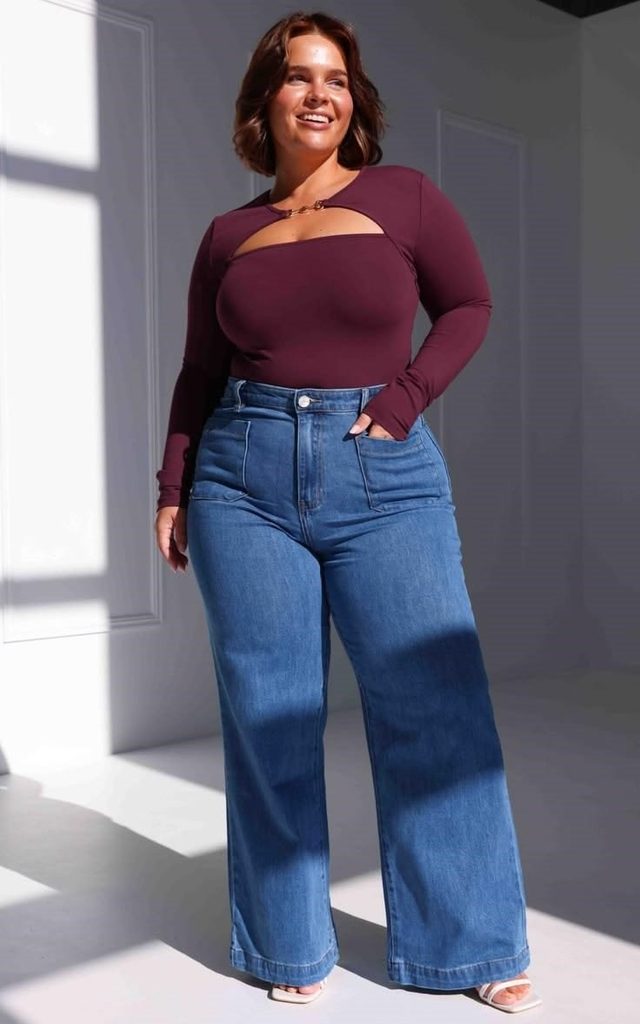
A jacket that ends right at the widest part of your hips can sometimes draw attention to that area. But moving the hem slightly higher or choosing a longer jacket that continues past the hips can create a very different line.
There isn’t one universally “flattering” jacket length. It depends on what you’re wearing underneath and where you want the visual breaks in your outfit.
Try your jacket with the same outfit and look at it open, closed, pushed up at the sleeves, and worn at different points on your body. You may be surprised by how much difference a few inches can make.
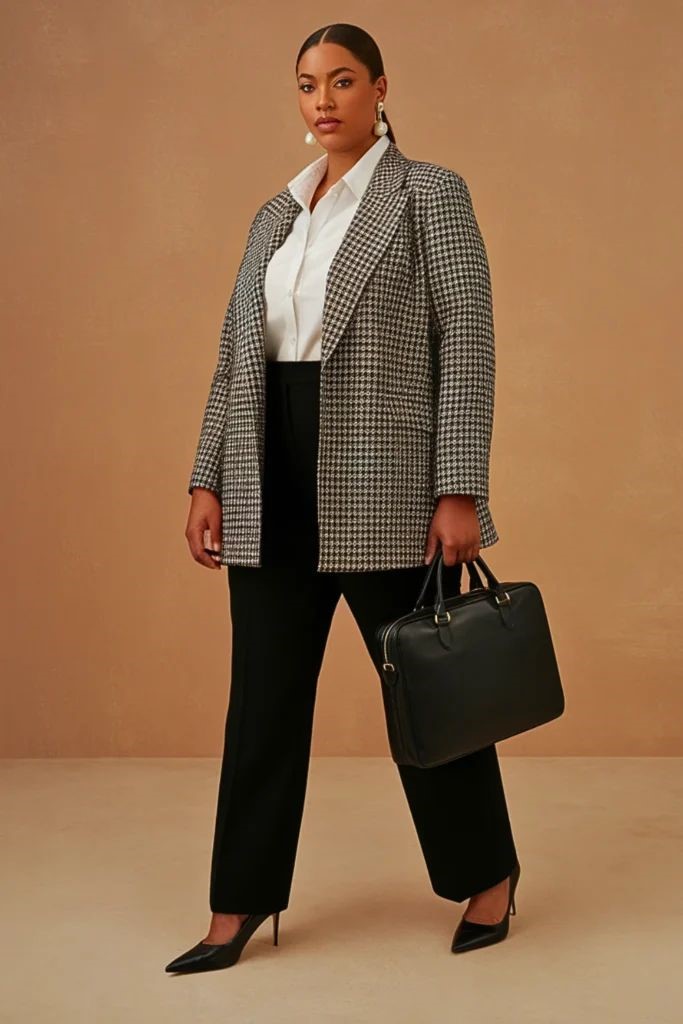
This is one reason a blazer can be so useful. Worn open, it creates two long lines down the front of your body rather than cutting the outfit into one solid block.
4. Don’t Ignore Your Shoes When Styling Your Pants
Your shoes are part of the silhouette too.
This is something fashion advice often skips. We talk about the fit and length of our pants, but then treat the shoes as an afterthought.
They can completely change how your legs and trousers look.
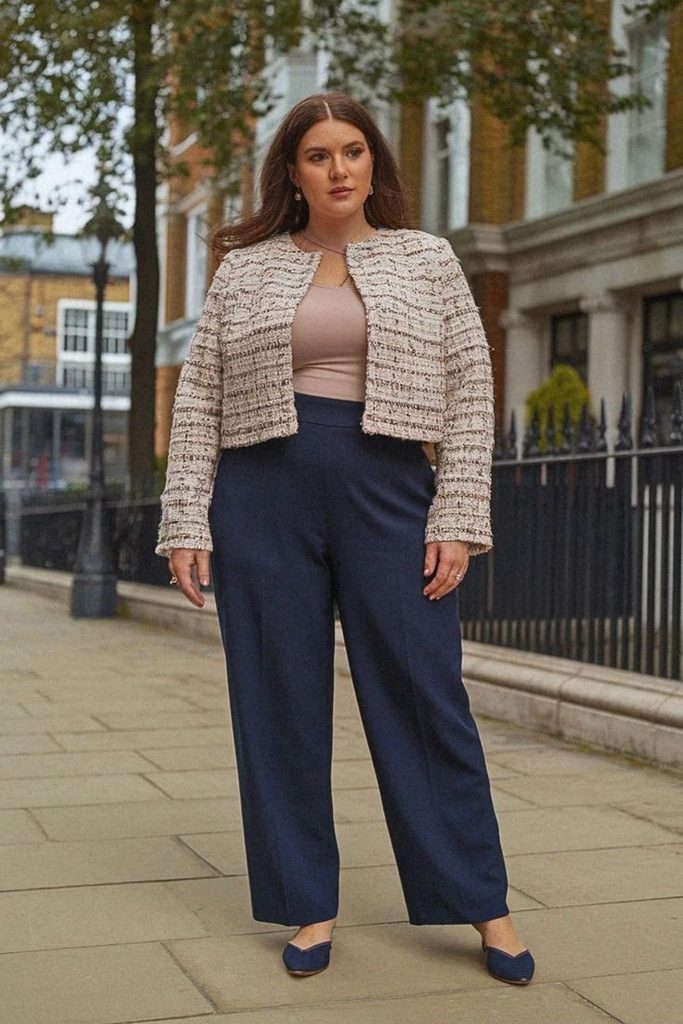
A wide-leg pair that falls neatly over a shoe with some height can create a long, continuous line. The same pants with a very bulky shoe may make the bottom of the outfit feel heavier.
That doesn’t mean you need heels. A pointed flat, streamlined sneaker, ankle boot, or shoe that closely follows the shape of your foot can create a different effect from a chunky shoe.
The important thing is to look at the pants and shoes as one visual unit.
And if you’re trying to get the most out of your denim, Best Plus Size Jeans You Can Buy Online can help you think beyond size and focus on fit, rise, cut, and overall shape.
5. Use Open Layers to Create Vertical Lines
An open jacket or cardigan can do something a loose top can’t: it creates two visual lines running down the front of your outfit.
Those lines naturally break up a large expanse of fabric and can make an outfit feel more structured without making it restrictive.
Try this with a blazer, denim jacket, long cardigan, trench coat, or even an open button-down shirt. The layer doesn’t have to be long to work.
What matters is that you let it stay open rather than buttoning it all the way up.
This is particularly useful when you’re wearing a simple base outfit and feel like it needs a little more shape. You can keep the underneath pieces comfortable and relaxed while the open layer adds definition around them.
For colder months, you can use the same idea with multiple layers. Winter Layering Ideas for Plus Size Women explores how to build those layers without ending up with an outfit that feels bulky.
6. Choose Tops That End at the Right Spot
Top length can make more difference than you might expect.
A very long top can cover your shape and make an outfit feel heavy, while a very short one may not feel comfortable or balanced with your bottoms.
Try different lengths in front of a mirror. You may find that a top ending around your hip bone works better with one pair of pants, while a slightly longer or shorter hem works better with another.
The goal isn’t a perfect measurement. It’s finding a length that works with the piece underneath.
7. Use Necklines to Change the Visual Balance
Your neckline can affect how the top half of your outfit feels.
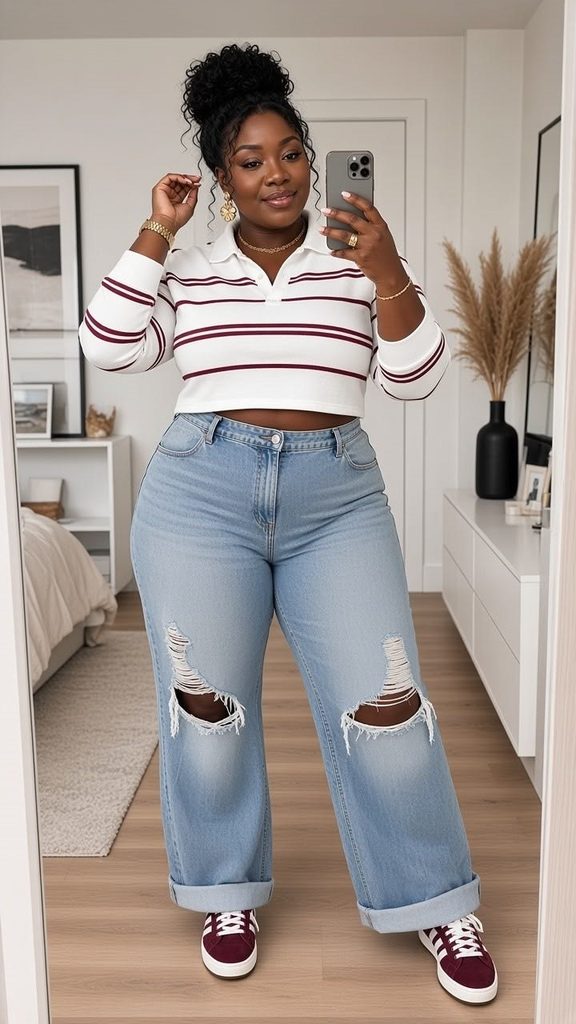
A V-neck, open collar, or scoop neck can create more space around your face and neck. A high neckline can give the upper body a more solid, compact look.
Neither is better. It simply depends on the balance you’re trying to create.
If your outfit already has a lot happening around the waist or hips, a more open neckline can help draw the eye upward.
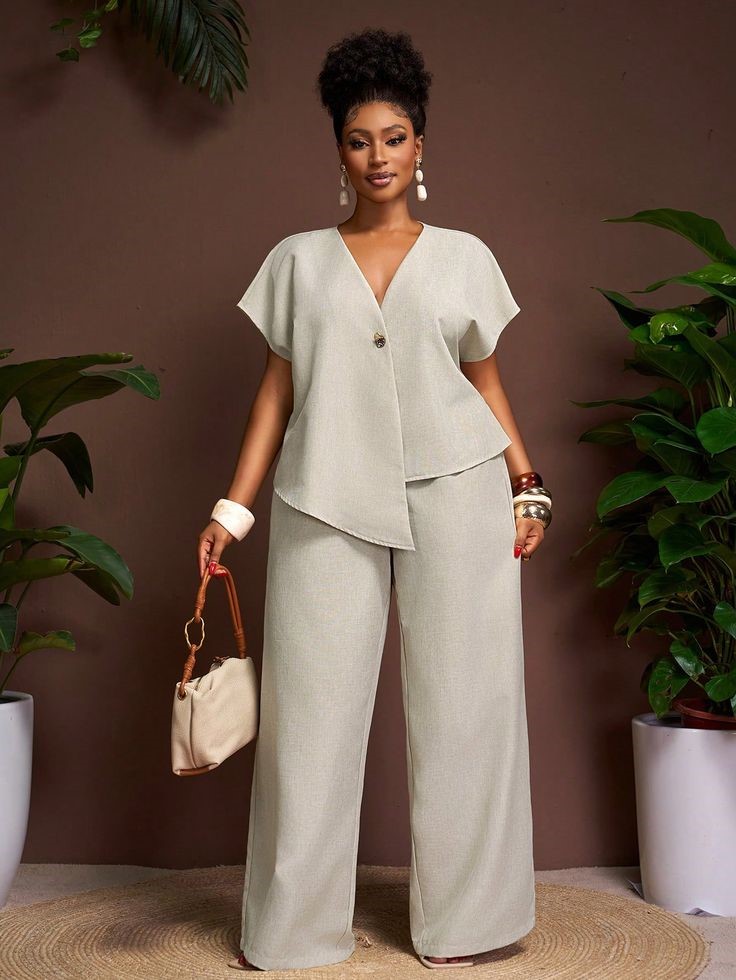
8. Don’t Overlook Sleeve Length
Sleeves can change the shape of an outfit too.
Long, loose sleeves add volume to your upper body. Rolling or pushing them up can instantly make the outfit feel lighter and show a little more of your arms.
This is especially useful with button-down shirts, blazers, and oversized jackets.
Sometimes you don’t need to change the top at all. Just change the sleeves.
9. Give Oversized Clothes Some Structure
Oversized clothing can look stylish and relaxed, but wearing several oversized pieces together can sometimes make your shape disappear.
You don’t have to give up the oversized look. Just give the outfit one clear point of structure.
Tuck part of the top. Roll the sleeves. Add a belt. Show your ankles. Wear an open jacket over a simpler base.
The idea is to create a little contrast between relaxed and defined pieces.
If oversized blazers are your weakness, How to Wear Oversized Blazers Without Losing Shape has more practical ways to style them without losing the shape of your outfit.
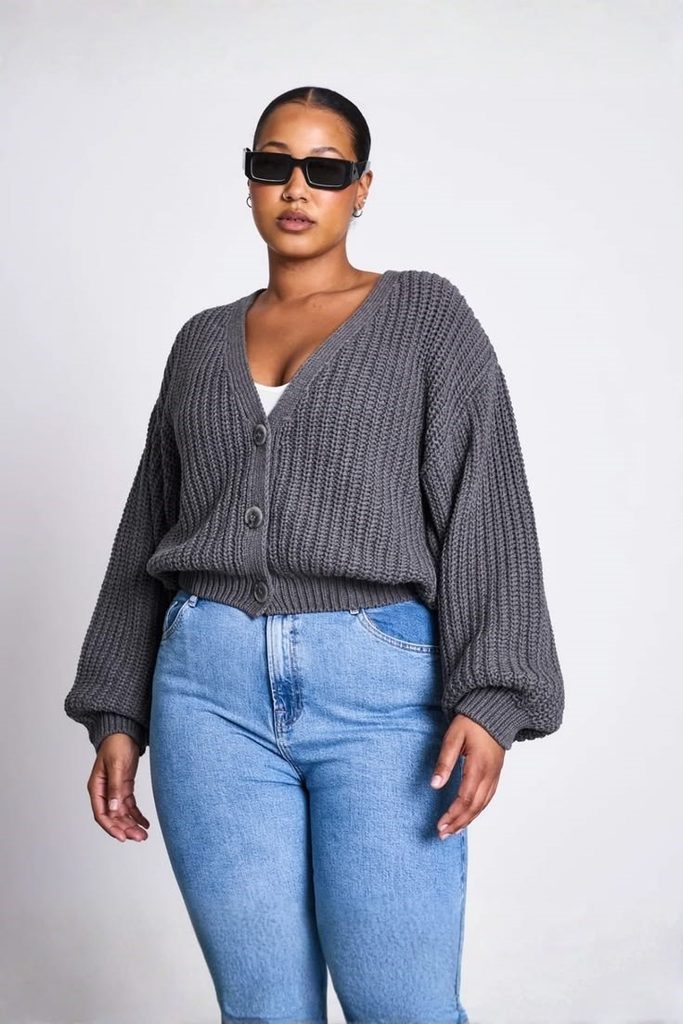
10. Try One Color From Head to Toe
Wearing similar shades from top to bottom creates fewer visual breaks, which can make an outfit look longer and more connected.
It doesn’t have to be an exact match. Cream with beige, navy with denim, or different shades of brown can create the same effect.
And monochrome doesn’t have to mean boring. You can add interest through texture, jewelry, bags, or different fabrics.
If you enjoy this kind of simple dressing, 50 Neutral Outfit Ideas That Always Look Elegant is a great place to find more combinations.
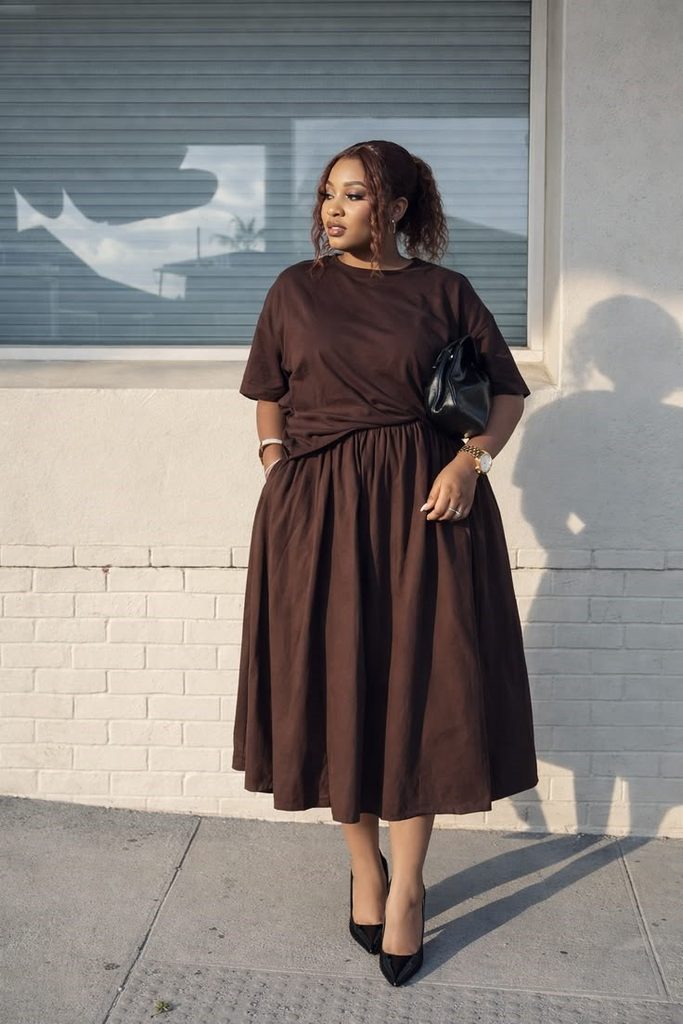
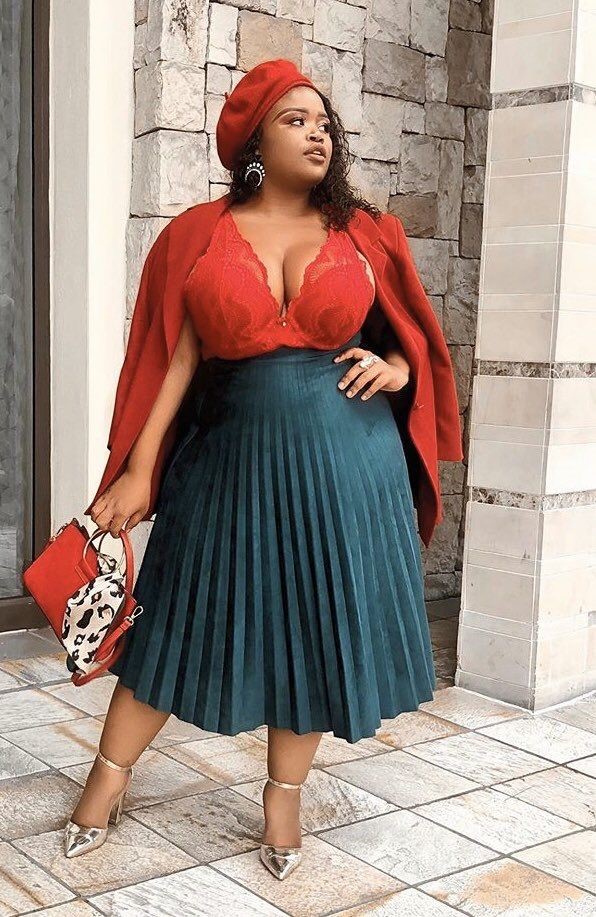
11. Use Contrast Where You Want Attention
Color contrast naturally catches the eye, so think about where you’re placing it.
A bright top with dark pants will pull more attention toward your upper body. A lighter skirt with a darker top can do the opposite.
You don’t have to avoid contrast. Just use it intentionally.
If you want your outfit to feel more balanced, try keeping the strongest contrast around the area you want to highlight and using softer tones elsewhere.
For more ideas on working with color, The Best Colors for Plus Size Fashion covers how different shades can work together without making your outfits feel predictable.
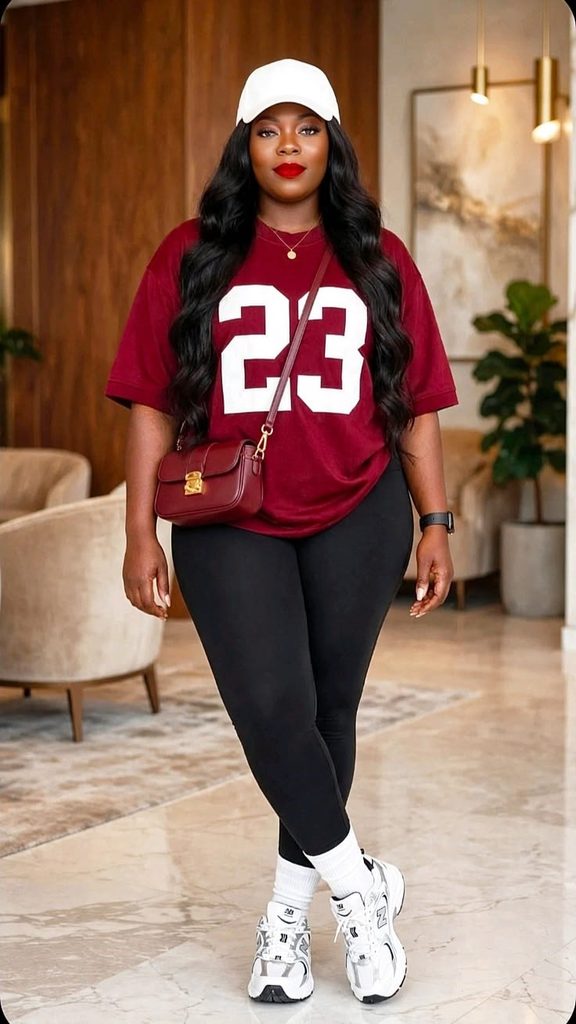
12. Choose Jackets That Create a Clean Line
A jacket can either pull an outfit together or add another layer of bulk.
Look for one that sits smoothly on your shoulders and falls cleanly instead of bunching around your middle. Wearing it open can also create a simple vertical line through the outfit.
Pay attention to the hem too. A jacket that stops at an awkward point can make the outfit feel chopped up, while the right length can make everything look more intentional.
You don’t always need a fitted jacket. You just need one that has enough structure to hold its shape.
13. Balance Statement Sleeves With a Simpler Bottom
Big sleeves can be beautiful, but they already bring a lot of volume to the top half of an outfit.
If you’re wearing balloon sleeves, puff sleeves, or a dramatic sleeve shape, try pairing them with a cleaner bottom. Straight-leg pants, simple jeans, or a streamlined skirt can keep the outfit from feeling crowded.
The same idea works in reverse. If your pants have a bold shape, you can keep the top simpler.
It isn’t about making one piece smaller. It’s about giving your statement piece enough room to stand out.
14. Place Your Belt Where It Actually Feels Natural
A belt can define an outfit, but it doesn’t have to sit at the narrowest part of your waist.
Depending on your clothes and your natural proportions, a belt placed slightly higher, lower, or directly over your waistband may look and feel much better.
The width matters too. A very thin belt can disappear against a heavier outfit, while a wide belt can become the main focus.
Try different placements instead of forcing the belt into one “correct” spot. How to Choose the Perfect Belt for Your Frame can also help you figure out which belt shapes and widths work best for your outfits.
15. Let Your Hemlines Work Together
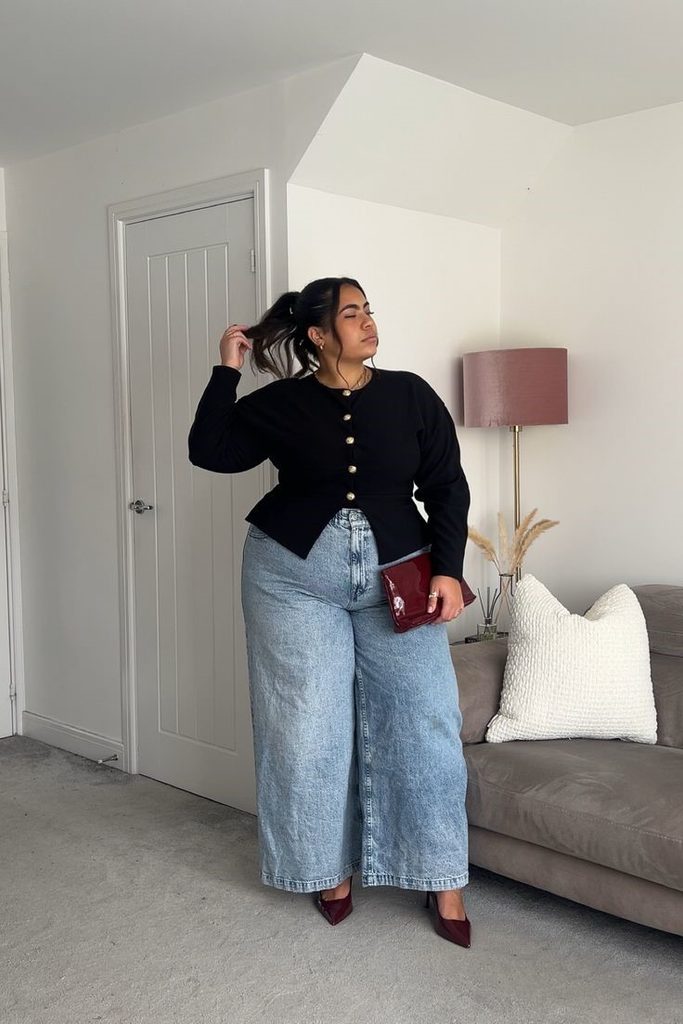
One of the easiest ways to make an outfit feel awkward is to have several pieces ending at random points.
Think about where your top, jacket, skirt, pants, and even boots stop. When too many hems hit around the same area, they can create a visual line that feels heavy.
You don’t need every piece to be a different length. You simply want the lengths to feel intentional.
For example, an open jacket that extends below a top can create a smoother line, while cropped pants can work better with a shoe that leaves a little space around the ankle.
Once you start paying attention to hemlines, you’ll understand why some outfits feel polished while others feel strangely “cut up.”
16. Let Your Shoes Continue the Line of Your Outfit
Your shoes can either finish an outfit smoothly or create a hard stop at your ankles.
If your pants are cropped, for example, a shoe that blends with your skin tone can keep the leg line looking clean. With full-length pants, shoes in a similar color can help the trousers fall into them instead of making the outfit look chopped off.
This doesn’t mean you need heels or pointed shoes. A simple flat or sneaker can work just as well. The key is to notice where the shoe starts and where the pants end.
17. Use a Long Open Layer When an Outfit Feels Too Wide
This is one of those tricks you notice immediately once you try it.
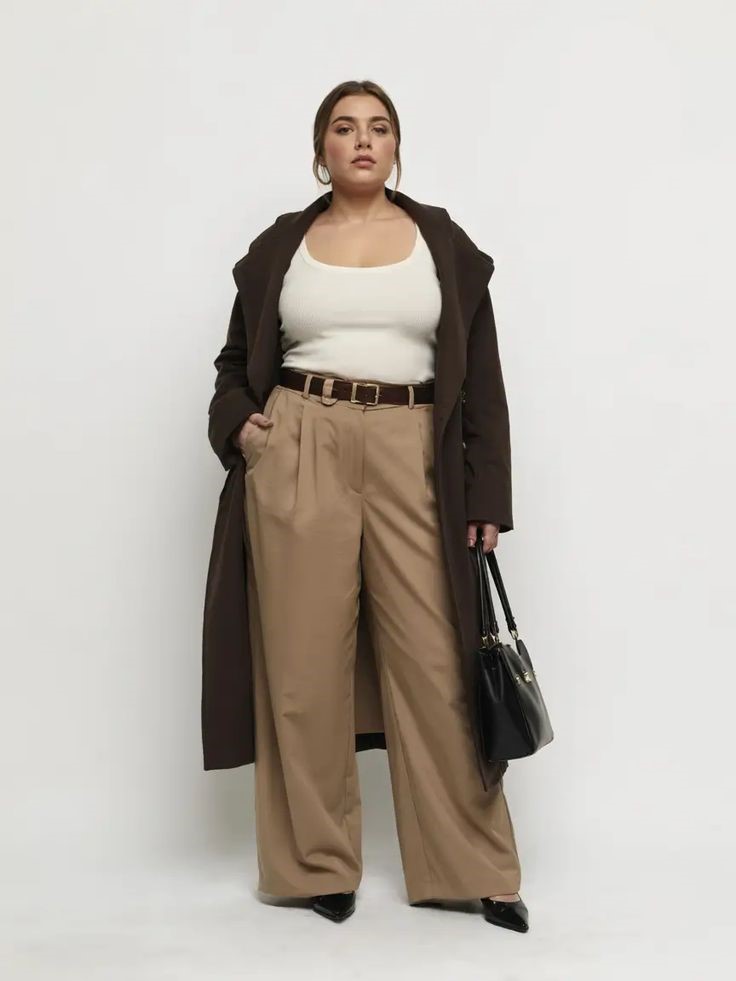
Put on a loose top and wide-leg pants, then add a long cardigan, shirt, or lightweight jacket and leave it open. The two sides of the layer create long lines down your body and break up all that fabric.
It can make a relaxed outfit feel much more pulled together without making anything tighter.
The trick is to avoid adding a very bulky layer on top of bulky clothes. Choose something that falls smoothly instead.
For another practical layering idea, How to Style a Trench Coat shows how an open outer layer can add structure without making an outfit feel stiff.
18. Let One Print Do the Talking
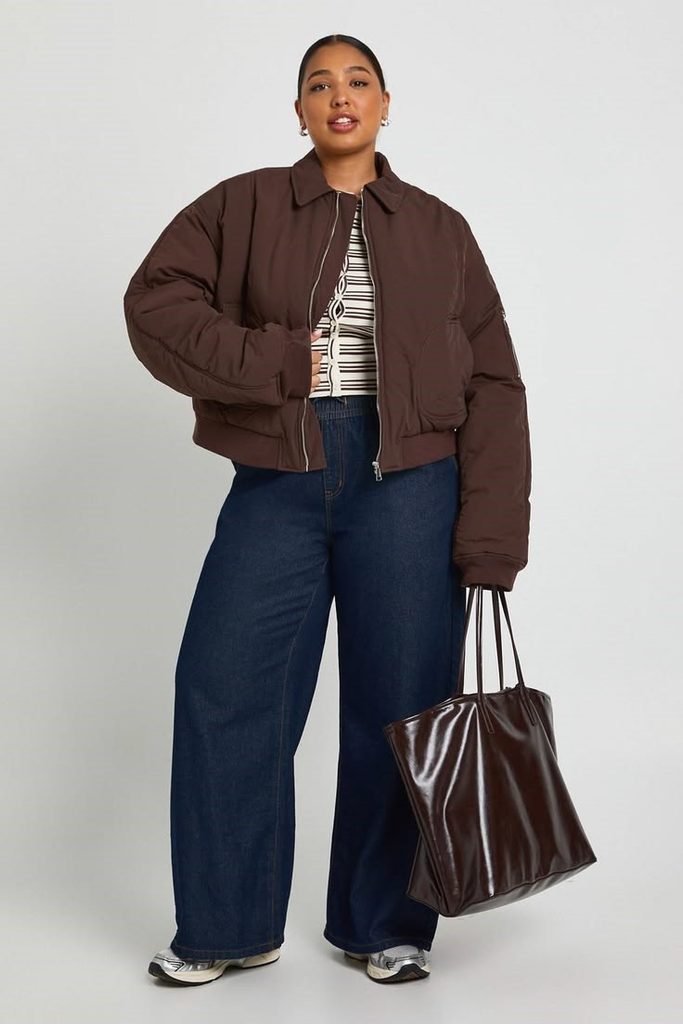
A print doesn’t automatically make an outfit look bigger. The bigger issue is what you pair it with.
If your pants have a bold print, you may find that a simple top lets the outfit breathe. If your top is the statement piece, keeping the bottom quieter can create the same balance.
You also don’t have to avoid large prints. Just give them enough space to stand out.
If you enjoy mixing patterns but aren’t sure where to start, How to Wear Bold Prints With Confidence can give you more ways to make them work.
19. Mix Soft Pieces With Something Structured
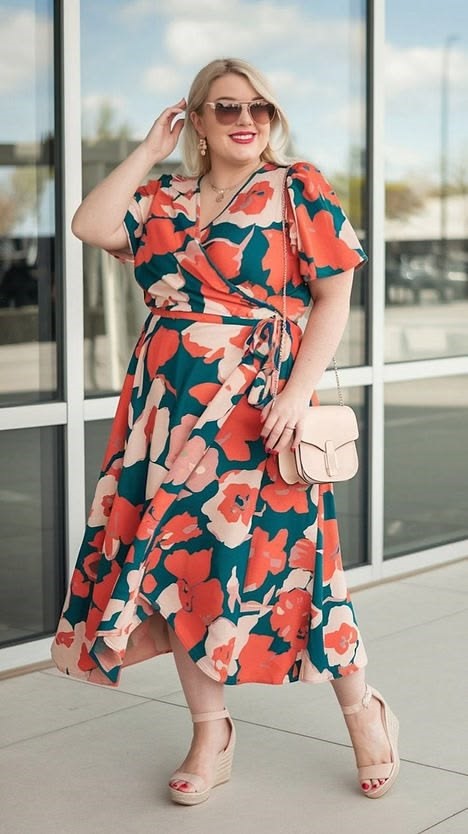
If everything you’re wearing is soft, loose, and flowy, the outfit can sometimes lose its shape.
You don’t have to replace those comfortable pieces. Add one item with a little structure instead.
A firm handbag, a denim jacket, a structured blazer, a belt, or even a pair of shoes with a defined shape can give the outfit some direction.
This is especially useful on days when you want to be comfortable but don’t want to look like you simply threw everything on.
20. Give the Eye One Place to Land
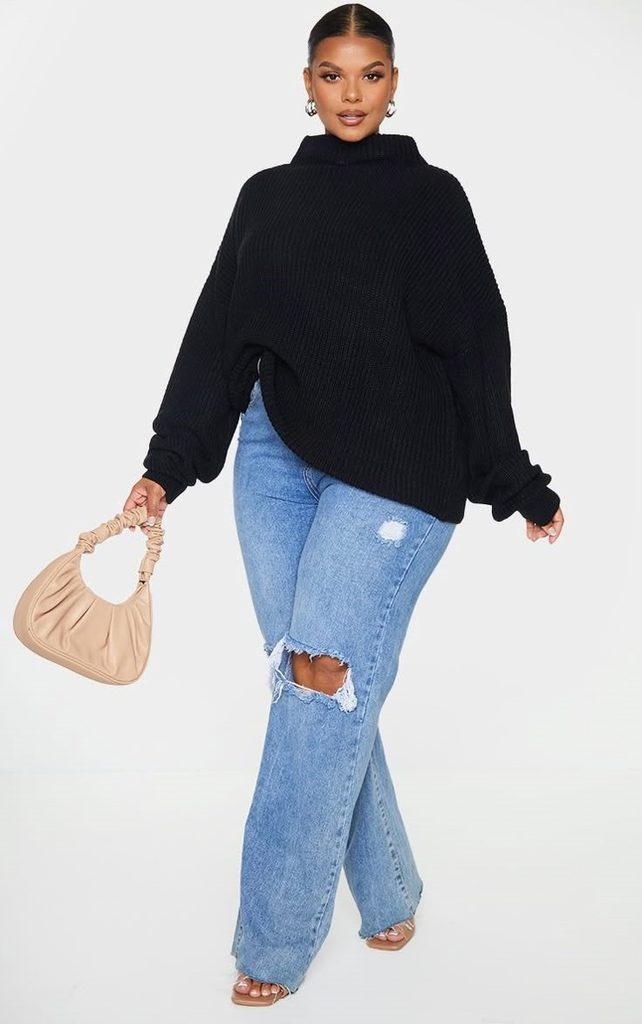
One of the easiest ways to make an outfit feel more balanced is to stop making every piece compete for attention.
If you’re wearing statement earrings, bold shoes, a printed top, and a bright handbag all at once, the outfit can start to feel scattered.
Pick one thing you really want people to notice. Let the rest of the outfit support it.
That might be a beautiful neckline, an interesting bag, a great pair of shoes, or a print you love. You don’t need five statement pieces to make an outfit memorable.
For easy ways to add that finishing detail, Statement Necklace Styling Guide has practical ideas for using one accessory as the focus.
21. Choose the Right Rise for Your Outfit
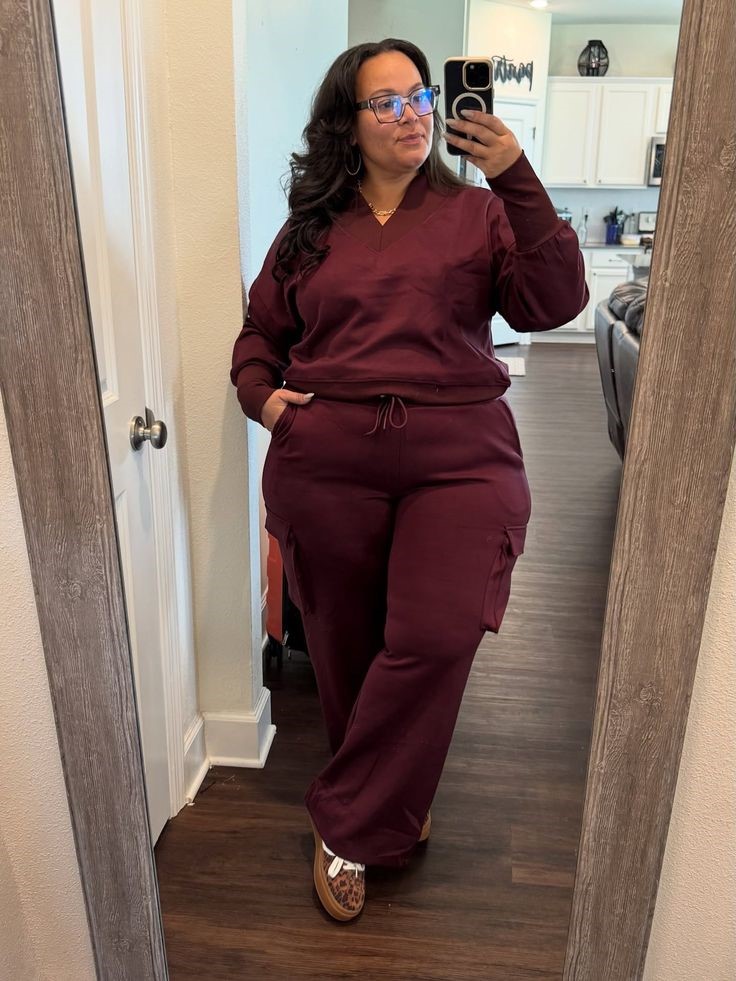
High-rise, mid-rise, and low-rise bottoms can all work. The difference is where they place the visual break between your top and bottom.
A high rise can make your legs look longer, but it isn’t automatically the best choice for everyone. Sometimes a mid-rise sits more naturally and creates a smoother line.
Pay attention to where the waistband sits and how your top falls over it. If you’re constantly pulling your top down or adjusting the waistband, the rise may simply not be working with that particular outfit.
If finding the right jeans has always been frustrating, How to Find Jeans That Actually Fit can help you look beyond the number on the tag.
22. Don’t Let Your Bra Change the Shape of Your Outfit
This is one of the styling details that often gets ignored.
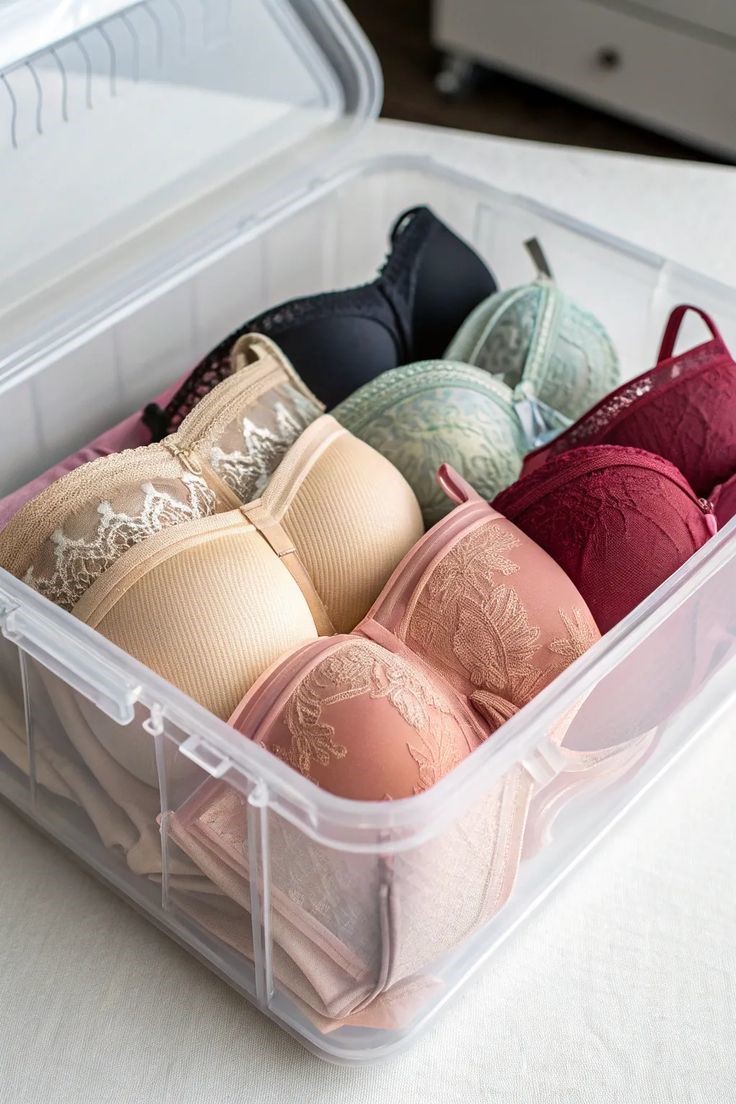
If your bra doesn’t give you the support and shape you need, your clothes may not sit the way they were designed to. A neckline can look different, a shirt can pull in the wrong places, and your waistline can appear lower or higher than you expected.
Before deciding that an outfit doesn’t suit you, check what is underneath it.
A properly fitting bra can change how your top sits without you changing the top at all. If you’re unsure about your size or fit, How to Find a Bra That Actually Fits is worth checking before you give up on certain clothes.
23. Use Fabric to Your Advantage
The cut of a garment matters, but so does the fabric.
A stiff fabric can hold its shape and add structure. A soft, thin fabric may fall closer to the body. Neither is better, but they create very different silhouettes.
For example, a lightweight top that clings around the middle may need a different bottom or layer than a structured cotton shirt.
When something looks different on the model than it does on you, don’t immediately blame your body. Check the fabric, too.
This is one reason Why Some Clothes Make You Look Bigger (It’s Not Your Size) is such an important styling lesson.
24. Stop Matching Everything to the Same Level of Volume
Here’s a trick that makes getting dressed much easier: think of volume as something you can move around.
If your coat is oversized, you don’t necessarily need oversized pants underneath it. If your skirt is full, a simpler top can give it room to breathe.
But you can also break the rule when you want a relaxed, dramatic look. The point is to know what all that volume is doing together.
Before leaving the house, take a quick look at the whole outfit rather than judging each item separately.
25. Step Back and Look at the Whole Outfit
This might be the most useful trick of all.
Don’t judge your top while staring at your top. Don’t decide that your jeans are the problem while looking only at your jeans.
Step back and look at the complete outfit.
Where does your eye go first? Is one area carrying much more visual weight than the rest? Are several hems stopping at the same place? Does the outfit have enough contrast between fitted and relaxed pieces?
Then change one thing at a time.
A smoother version would be:
The answer might be as simple as changing your shoes or removing a layer. And sometimes, the outfit is already right, you just aren’t used to seeing yourself in that shape.
That is the real goal of creating a balanced silhouette: not following a list of rules, but learning how to look at your outfit as a whole and understand what it needs.
Once You See Proportion, You Can’t Unsee It
The next time you put on an outfit and something feels slightly off, don’t start changing everything at once.
Look closer.
Is the top ending in an awkward place? Is there too much volume on one side? Did the jacket create a harsh break? Are your shoes making the bottom of the outfit feel heavier?
Once you start noticing these details, you begin to understand why some outfits feel effortless while others need constant adjusting.
But don’t turn proportion into another set of fashion rules. Some of the best outfits are a little unexpected. You can wear wide-leg jeans with an oversized shirt, play with dramatic sleeves, or mix different lengths if that’s what makes the outfit feel like you.
The difference is knowing what you’re doing.
When you understand how length, volume, color, fabric, and placement work together, you can make small changes with a much bigger effect. You stop looking at individual pieces and start seeing the outfit as one complete picture.
And that is when styling gets interesting.
Because sometimes, the outfit you’ve been trying to fix isn’t missing anything at all. It just needs one small change to make everything click.