You’re Probably Wearing the Wrong Size (Here’s How to Tell)
Disclosure: Some of the links in this post are affiliate links. This means if you click on the link and purchase an item, I will receive an affiliate commission at no extra cost to you.
Finding the right size can already feel like a full-time job as a plus-size woman. But somehow, it gets even more frustrating when you finally find an outfit you love, spot your size on the tag, and think, “Finally, this one should fit.”
Then you try it on.
The waistband digs in. The buttons pull. The sleeves feel too tight. The shoulders sit awkwardly. Or the entire outfit hangs on you in a way that looks nothing like what you imagined. And suddenly, you’re standing in front of the mirror wondering how something that literally has your size on the tag can feel so wrong.
That’s the problem with clothing sizes: the number or letter on the label doesn’t guarantee a good fit.
You can wear a 1X in one brand, a 2X in another, and need a completely different size depending on the fabric, cut, or silhouette. Even within the same brand, two pieces with the same size tag can fit completely differently.
Even within the same brand, two pieces with the same size tag can fit completely differently.
The wrong size does more than make an outfit uncomfortable. It changes how the entire outfit sits on your body. It can also change how you feel wearing it.
You end up making little adjustments all day without even realizing it. A quick tug at the waistband, , or fixing the sleeves becomes part of the routine. Before long, that outfit you loved on the hanger starts feeling more frustrating than flattering.
So before you blame your body, give up on a style, or send another outfit back, take a closer look. Let’s break down the subtle and glaring signs that you’re wearing the wrong size. We’ll also show you how to recognize a truly great fit when you find one.
How to Tell If You’re Wearing the Wrong Size
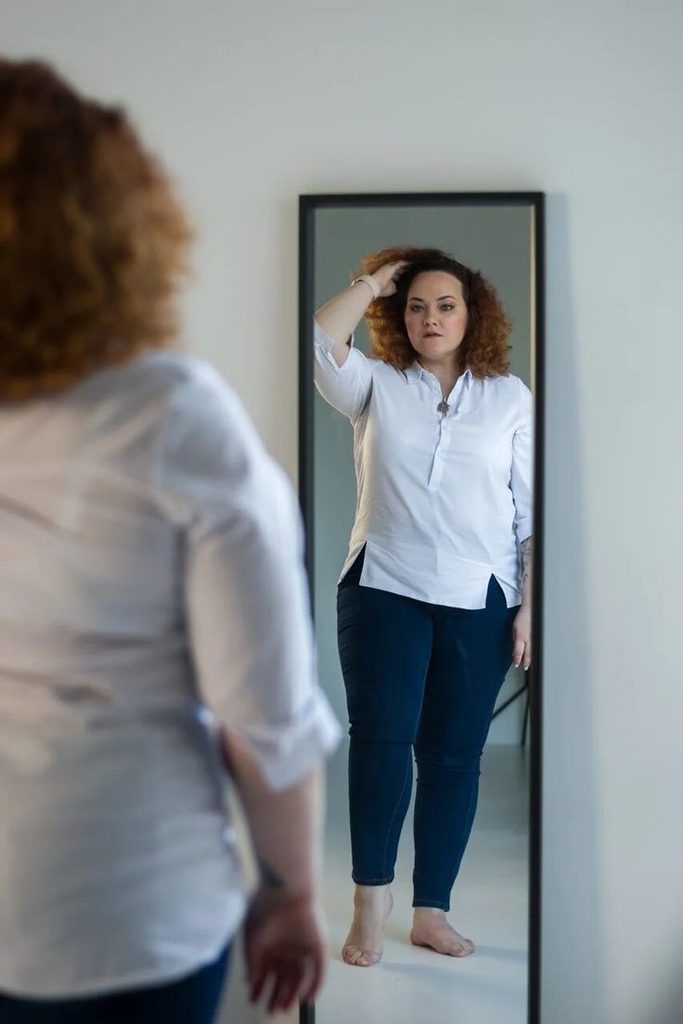
Finding the right size isn’t always as simple as checking the tag. Sometimes, the clues show up in the way your clothes behave once you’re actually wearing them.
A piece might look perfect when you’re standing still in front of the mirror. Then you sit down, walk around, reach for something, or wear it for a few hours. Suddenly, little problems start appearing.
These details can tell you much more about the fit than the number on the label. And if you’ve ever wondered why your clothes never look like they did on Pinterest, the fit could be one of the reasons. Here are some of the most common signs to watch for.
1. You’re Constantly Adjusting The Outfit
Sometimes, the first sign that your clothes don’t fit isn’t something you notice in the mirror. It’s what your hands keep doing throughout the day.
Maybe you keep pulling your top down because it rides up whenever you move. Perhaps the waistband feels uncomfortable whenever you sit. You might even find yourself pulling a dress back into place because it refuses to stay where it should.
None of these things seem like a big deal on their own. We all adjust our clothes occasionally. But when you keep doing it over and over, your clothes may be trying to tell you something.
For example, imagine wearing a pair of trousers that looked perfect when you first tried them on. You leave the house feeling great, but an hour later, you’re constantly readjusting the waistband and pulling at the fabric around your thighs.
By the end of the day, you’re paying more attention to keeping your trousers in place than enjoying your outfit.
That’s more than a minor annoyance. It’s a fit problem.
A well-fitting piece should move with you. You should be able to si
So the next time you catch yourself making the same adjustment again and again, pause before blaming the outfit. Check the fit first. It might be the simplest explanation.
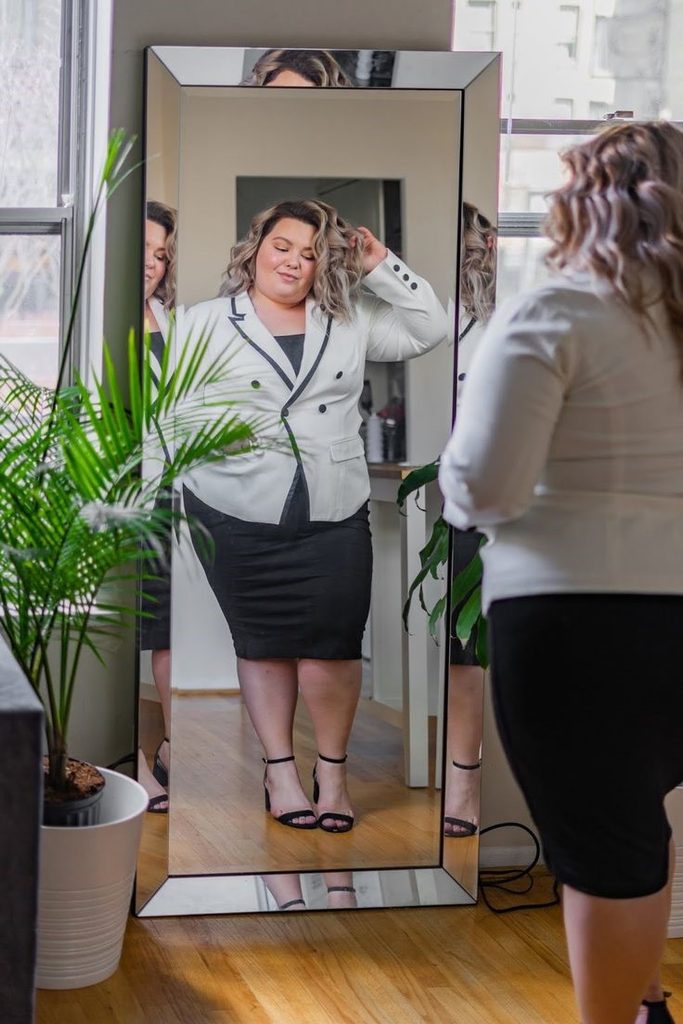
2. The fit looks different when you move
A piece can look perfect while you’re standing still and tell a completely different story once you start moving.
Maybe the dress looks great in front of the mirror, but riding up becomes an issue as you walk. A blouse may sit beautifully while you’re standing, yet pull across the back when you reach forward. Trousers can look polished until you sit down and suddenly feel much tighter.
That’s why a good fit shouldn’t only pass the mirror test. It should also pass the movement test.
Try sitting down, walking around, raising your arms, and bending slightly before deciding that something fits. If the clothes become uncomfortable or constantly shift out of place, the size or cut may not work for your body.
This matters especially with jeans. Finding a pair that fits well through the waist, hips, thighs, and length can take some trial and error. If you’re struggling with this, How to Find Jeans That Actually Fit can help you figure out what to look for beyond the size on the tag.
You can also avoid some of the common mistakes covered in Jeans Mistakes That Make Outfits Look Frumpy, especially when a poor fit starts affecting the overall shape of your outfit.
And remember, not every fit problem means you need a smaller size. Sometimes the issue comes from the cut itself.
A silhouette that doesn’t work with your proportions can make an otherwise correct size feel completely wrong. That’s one reason understanding Why Some Clothes Make You Look Bigger (It’s Not Your Size) can change the way you shop.
The goal isn’t to find clothes that look good for five seconds in front of a mirror. You want pieces that still feel good when you’re actually living your life in them.
3. The fabric pulls or strains in certain areas
One of the clearest signs of a size problem is tension in the fabric. You may not notice it immediately, especially when you’re standing still. But look closely at how the garment sits across your body.
If you see horizontal lines pulling across the bust, stomach, hips, or upper back, the garment may not have enough room in that area.
Buttons can also pull apart slightly instead of lying flat. With trousers, you may notice the fabric stretching more than it should around the hips or thighs.
For instance, imagine finding a beautiful button-down shirt that fits everywhere else. The sleeves feel comfortable, the length looks great, and the color is perfect.
But every time you move your arms, the fabric across your chest pulls. You might keep telling yourself that it’s fine because the shirt technically closes.
It probably isn’t.
A good fit should give your body enough room to move without stretching the fabric to its limit.
This is also where body proportions matter. Two women can wear the same size and need completely different fits.
One might need more room through the bust, while another needs extra space around the hips. That doesn’t make either body difficult to dress. It simply means the garment needs to accommodate the person wearing it.
And if the clothes seem to create extra width or make your shape look less defined, don’t immediately assume the size is too big or too small.
Sometimes the cut is the real issue. That’s worth remembering when exploring The Styling Mistake That’s Making Your Outfits Look Boxy.
The right size should give you room to exist comfortably inside the garment. It shouldn’t make you feel like you’re constantly negotiating with the fabric.
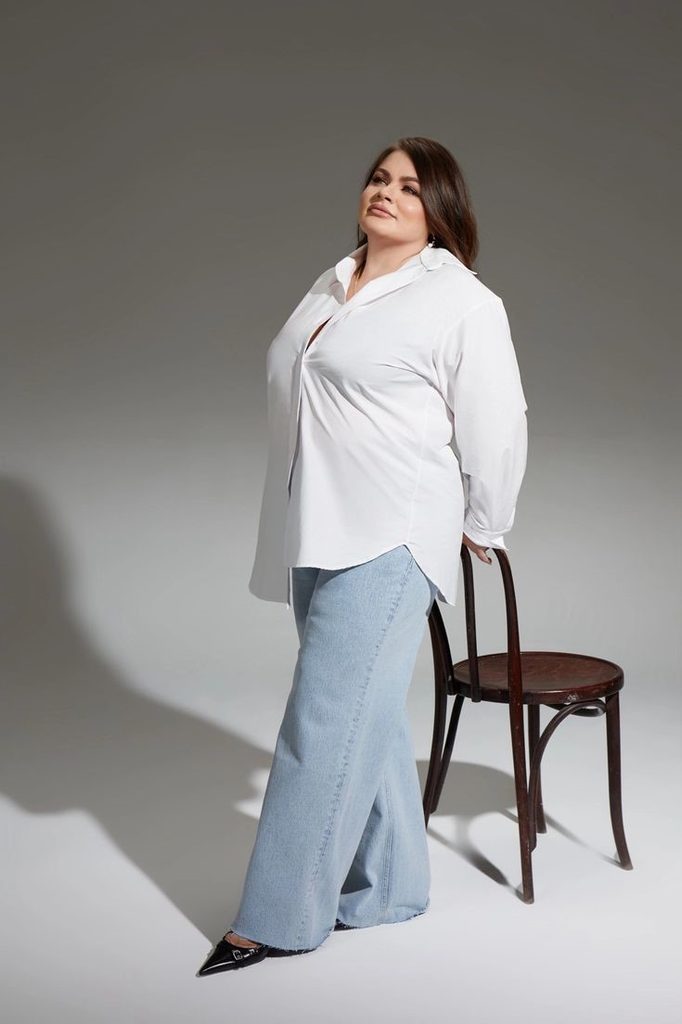
4. The clothes look too loose, even though they feel comfortable
We often focus on clothes being too tight, but going too big can create its own set of problems.
Maybe the outfit feels wonderfully comfortable when you put it on. Nothing digs in, nothing pulls, and you can move freely.
This can happen when you size up simply because you want more room.
For example, imagine finding a blazer that feels slightly snug in your usual size. You decide to go two sizes up because you want it to feel relaxed.
It feels great when you put it on, but now the sleeves cover too much of your hands and the shoulders extend past where they should. The blazer isn’t necessarily “bad.” You may simply have gone too far up the size range.
This is especially important with oversized clothing. Oversized should look intentional, not like you’re wearing something several sizes too large.
If you love that relaxed look, How to Wear Oversized Blazers Without Losing Shape can give you more ideas for keeping some definition while still enjoying the extra room.
The same principle applies to the rest of your wardrobe. A little extra room can look effortless. Too much can hide your shape and make an outfit feel heavy.
Things like where a top ends, where a waistband sits, or how much structure a jacket has can completely change the final look. That’s where 25 Outfit Tricks That Create a More Balanced Silhouette can come in handy.
And if you regularly reach for oversized pieces because you’re uncomfortable with anything that feels fitted, it’s worth asking yourself whether you’re choosing the size for comfort or because you’re trying to hide your body.
You deserve both comfort and clothes that make you feel good. One shouldn’t have to cancel out the other.
5. The proportions don’t look right on your body
Sometimes the size itself isn’t the problem. The clothes may fit comfortably, but the proportions still feel off.
A pair of trousers may fit your hips but have a waistband that sits too high or too low. A dress can fit beautifully through the body yet have sleeves that feel too long.
This can make you think you need another size when what you really need is a different cut.
For example, imagine trying on a blazer in your usual size. Yet something about the shape looks strange. The hem falls at the widest part of your hips, the sleeves look too long, and your waist seems to disappear.
Going up or down a size probably won’t fix that. A different length or silhouette might.
This is why finding clothes that complement your proportions matters just as much as finding the right number on the tag. If you’ve ever felt like an outfit looks “off” without knowing exactly why, The Hidden Reason Your Outfits Feel Off explores some of those less obvious styling problems.
The same thing can happen with jeans. The right waist size won’t automatically give you the right rise, leg shape, or length.
That’s why understanding The Best Jeans for Curvy Women can be useful when you’re trying to find cuts that work with your curves rather than fighting against them.
And don’t forget the finishing details. Something as simple as where you place a belt can change the proportions of an entire outfit. How to Choose the Perfect Belt for your frame can help when you want to define your waist without making the outfit feel restrictive.
The right fit isn’t just about whether you can get the clothes on. It should also make the different parts of the outfit feel like they belong together.
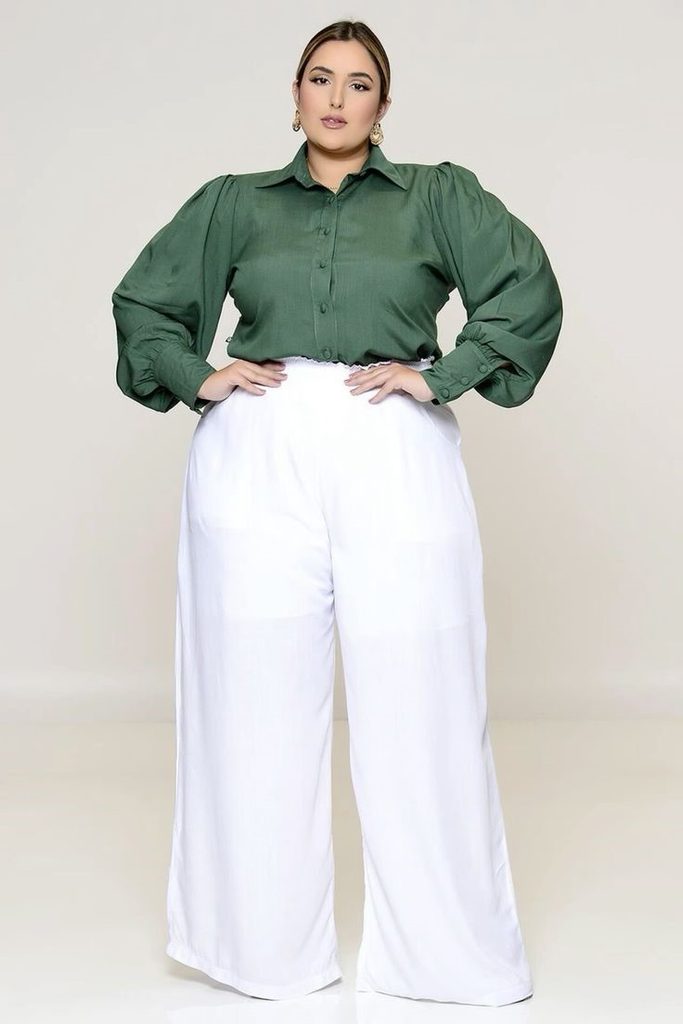
6. The neckline or shoulder area doesn’t sit properly
The shoulder area can reveal a sizing problem faster than you might expect.
If a top feels tight across the shoulders, you may notice the fabric pulling whenever you move your arms. If it’s too large, the shoulder seam can fall well below your natural shoulder. Neither creates the clean fit you want.
The neckline can give you clues too. A T-shirt may feel comfortable everywhere else but sit too closely around your neck. A button-down may fit your waist perfectly while pulling slightly across the chest.
Think about buying a fitted knit top online. The size looks right when you first put it on, but the neckline feels unusually tight and the fabric pulls whenever you lift your arms.
You might assume the top simply has a snug design. But if you keep feeling restricted, the size or cut probably isn’t working for you.
The same thing can happen with dresses. A dress might fit beautifully through the waist and hips, yet feel restrictive around the shoulders. Going up a size may give you more room up top, but then the rest of the dress becomes too loose.
That’s when you need to look beyond the size tag.
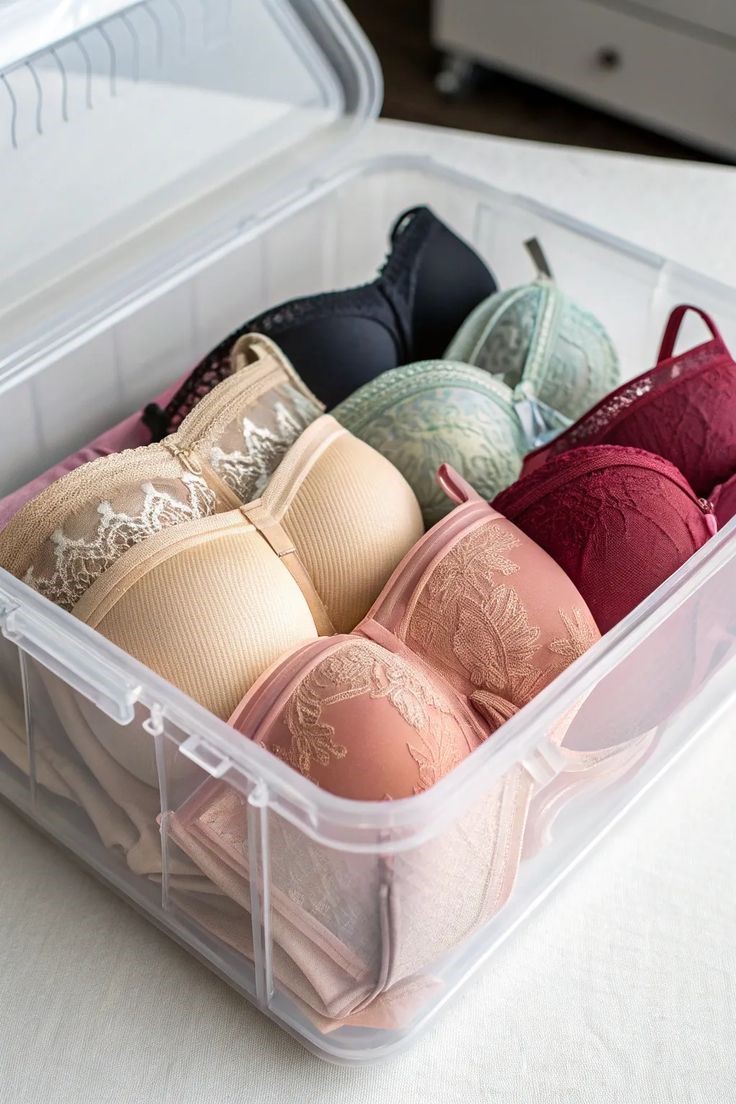
Sometimes, the problem can also come from what’s underneath the outfit. An ill-fitting bra can change how a top or dress sits across the chest and shoulders.
If you’ve experienced straps digging in, cups spilling over, or bands riding up, The Most Common Bra Fitting Mistakes Plus Size Women Make is worth checking out.
The goal is to find clothing that lets you move comfortably while keeping its intended shape. When the neckline, shoulders, and rest of the garment work together, the difference is easy to see.
7. You can’t get comfortable in it
Sometimes, the biggest clue that something doesn’t fit isn’t how it looks. It’s how often you think about the clothes while wearing them.
Sitting down means shifting the fabric. Standing up calls for another quick adjustment. Even walking around can leave you wondering whether the waistband will stay comfortable. Nothing feels dramatically wrong, but you never quite settle into the outfit.
That feeling matters.
Imagine getting dressed for a dinner you’ve been looking forward to. The dress looks beautiful in the mirror, and technically, everything fits.
But after sitting at the table for twenty minutes, you’re already adjusting the waist and trying to find a comfortable way to sit. By the end of the evening, you’re thinking more about the dress than the actual dinner.
That’s a sign worth paying attention to.
Clothes shouldn’t require constant awareness. Of course, some outfits need an occasional adjustment. But if you’re always trying to find a comfortable position, the fit may be working against you.
This becomes especially important with everyday clothes. A piece can look stylish in a photo but feel completely impractical once you spend several hours in it. That’s why 25 Casual Plus Size Outfit Ideas You’ll Want to Wear Every Day is a useful reminder that comfort and style don’t have to compete.
And when you want an outfit to look put-together without sacrificing comfort, How to Look Polished Every Day offers plenty of ways to make simple pieces feel intentional.
The right size should give you enough room to move, sit, breathe, and go about your day without constantly thinking about what you’re wearing.
Because when an outfit fits properly, you eventually forget about the clothes and get on with your life. And honestly, isn’t that how getting dressed should feel?
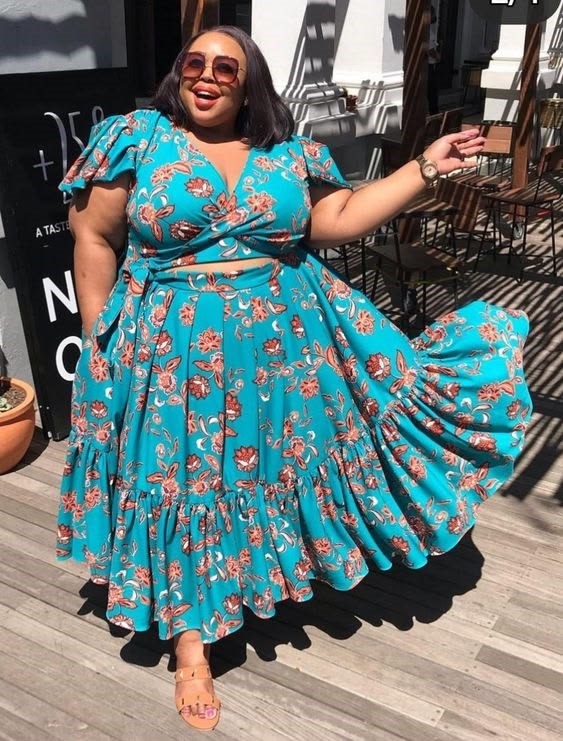
The right size should make getting dressed easier
There’s something freeing about finding a piece of clothing that simply works.
No constant tugging and wondering if the buttons will hold. No awkward pulling at the waist before walking into a room.
You put it on, check yourself in the mirror, and move on with your day.
That’s the feeling worth chasing, not a particular number on a tag.
Maybe your perfect fit comes in a size you’ve never bought before. Maybe it means going up in one brand and down in another.
Perhaps it means choosing a different cut because your usual style doesn’t accommodate your proportions the way you expected.
None of that means you’ve chosen the “wrong” body for the clothes. It simply means the clothes weren’t giving you what you needed.
And the next time something looks strange in the mirror, don’t immediately put yourself on trial. Check the fit. Look at where the fabric sits, how the garment moves, and whether you can actually feel comfortable in it.
Once you start paying attention to those details, shopping becomes less about chasing a size and more about knowing what works for you.
That mindset can also make it easier to build a wardrobe filled with pieces you’ll genuinely reach for, rather than clothes that spend months hanging untouched.
Because the best outfit isn’t the one with the most flattering size on the label.
It’s the one you can put on, forget about, and enjoy being yourself in.